

Selling land to a Texas city or county can help property owners liquidate assets and support community development. This guide helps landowners understand their options, value their property, and complete legal and administrative steps. We Buy Land Quick can help you make informed decisions and align with municipal priorities when selling to improve local infrastructure or achieve personal financial goals. Stay informed about the pros and cons to ensure smooth government transactions.
Brief Overview
Texas property owners can profit by selling land to a city or county and helping community development. This detailed guide explains legal and administrative procedures. It emphasizes the difference between selling land and built properties, the need for a clear legal framework, and the benefits of selling to public entities, such as streamlined procedures and community impact. Cash land buyers in Texas and nearby cities can help you navigate the process professionally. Working with local government officials and having the necessary paperwork can streamline the selling process and ensure a successful transaction.
Key Highlights
- Selling land to Texas cities/counties aids community initiatives and offers asset liquidation opportunities.
- Understand Texas legalities, including encumbrances and zoning, for a smooth land sale process.
- Tailor marketing for land sales, as it significantly differs from selling developed properties.
- Valuation, title, and zoning compliance are key documentation for successful Texas land transactions.
- Approaching city officials strategically maximizes potential benefits when selling land for public use.
Understanding the Basics of Selling Land in Texas
When selling land, there are certain legal issues that Texas sellers need to address that can make the process somewhat different than selling other types of property. If you are considering selling land to the state or a county, or you just want to sell a piece of real estate in Texas, you need to understand the legal issues that we cover in this guide. This guide outlines the relevant legal issues landowners must consider and the core differentials in selling land and selling other equipment in order to sell the land effectively and confidently. Understanding these nuances will help you succeed in the Texas land-selling industry.
Key Legal Considerations for Texas Landowners
Legal considerations are fundamental when selling land in Texas. Texas landowners should examine the title to make certain the property is unencumbered, meaning no liens, easements, or other restrictions exist. If there are portions of the property that are co-owned, without knowing who the other owners are, or if there is joint tenancy or other complex matters of ownership, legal advice should be sought to eliminate the possibility of disputes going forward.
Texas landowners often prefer zoning restrictions and local ordinances, and these legal considerations significantly impact the land use and immediate sale of the property. Legal Texas landowners, in order to gain the trust of buyers, should communicate these restrictions and have buyers fill out necessary documents, such as certified survey plats, appraisal disclosure deeds, and conveyance deeds. Extra rules are required when Texas landowners sell property to municipalities to comply with public purpose requirements and streamline the transactions to ensure they are legal.
The following factors should be considered as we examine Texas land sales’ complexities:
- Ensure state zoning compliance to avoid land-use conflicts or restrictions.
- Conduct a thorough land survey to define property boundaries and find encroachments.
- Examine state-specific water rights, which can affect property value and development.
- Mineral rights may differ from surface rights, affecting ownership interests.
- Assess access to electricity, water, and sewage for development or resale.
- Determine if environmental regulations require assessments or spill cleanup.
- To effectively manage finances, understand tax obligations, including exemptions and liabilities.
- Evaluate local demand and market trends to maximize land investment potential.
In conclusion, thorough preparation and understanding of these elements can improve Texas land transactions and legality.
How Selling Land Differs from Selling Property
The differences lie in the goals of the buyers and the allocation of resources. Buyers of land have varying goals, and therefore, it requires different approaches in marketing and negotiations. Although legal requirements might be easier because there are no structures to inspect, sellers are still liable for providing accurate information on boundaries, land use restrictions, environmental hazards, and rights of way. Land sellers looking for a quick sales solution are encouraged to visit We Buy Land in Arlington, TX, and nearby cities in Texas. We can help you sell fast and easily.
Financial and documentation requirements, along with the selling process, differ as well. The value of land is dependent on its location, the zoning of the area, and what the market is like. This often requires residential land sales in Texas to undergo a professional valuation. When selling the land to a city or county, you must understand the public’s goals and provide them with a view of the land, along with an environmental assessment. Understanding the differences between selling land and selling a developed property helps ensure a smooth transaction, benefiting both the seller and the buyer.
Assessing Your Property When Selling Land
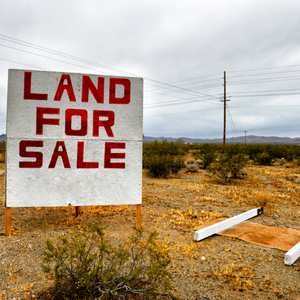
The first step in selling land in Texas is to conduct a property assessment. This assessment is particularly important when selling to a city or county public buyer. Knowing your property’s fair market value and having the appropriate documents to display during the assessment will also help you and the buyer improve the efficiency of the document process. The fair market value estimate also helps sellers gauge how much they should list the property for and how to negotiate with buyers. Knowing more about the land helps sellers strategically assess potential buyers and determine the best approach to sell the land.
Assessing the Value of Your Texas Property
Determining the worth of your property in Texas is extremely important for selling your property in the Texas real estate market. Certain factors, such as market location, market conditions, zoning laws, and amenities, are extremely valuable. A comparative market analysis as well as a professional appraisal offer valuable insight; however, improvements and unique features of the land may cause the property to be worth more. Knowing the realistic range for the pricing challenge, including environmental hazards and easements, is extremely important when pricing the property.
Properly evaluating your property and pricing it for transparent prospects and potential growth may increase your property’s appeal to more buyers, including counties and cities. Thus, a smooth negotiation and valuable transaction enhance buyer confidence. Understanding exactly what the buyer is looking for makes the transaction a more enjoyable experience for everyone taking part.
Essential Documents for Selling Land
Documents needed when selling land in Texas include certified land surveys, appraisal reports, disclosures, and other essential materials to ensure the selling process runs smoothly and legally. Surveys establish the boundary changes to the property, and appraisal reports establish the fair market value. A disclosure is needed to inform buyers of potential issues with the land, and materials like these from the seller build trust and justify the property value when trying to sell to public entities like municipalities and counties.
Contracts of sale, title deeds, and a deed of conveyance are also essential to selling land in Texas. Zoning compliance is also needed if land use will be restricted. Documents also need to be in a certain order for a sale to go smoothly, which in turn increases the confidence a buyer will have to purchase because the seller is organized enough to show the prospective buyer other areas of the land.
How to Approach Selling Land to the City

When selling your land to a city in Texas, understanding how to contact city officials to sell land becomes important to understanding the strategy of selling land to the city. Creating a proposal that meets the city’s objectives and goals helps landowners develop better communication with the local government. Also, the community development that comes with selling to a city and the quick and easy transactional processes help landowners sell land in a positive direction.
Steps to Initiate Contact with City Officials
Selling land to a city in Texas begins with some preparation and research. Knowing a city’s current projects, needs, and future goals allows you to strategically sell your land as a public asset. You can pull site and land use regulations and goals from the cities’ planning departments, as well as from the Texas Land Commissioner’s office and economic development entities, to best prepare your public asset value proposal for the city.
Construct your proposal to clearly document how the land can help the community. Examples can include the development of a park, a school, or the installation of public utilities. Submit the proposal through your city’s official channels, and follow up. Be prepared to back up the value of your land with surveys, reports, and assessments. Maintain your value as a public asset through direct communication, site visits, and public value presentations. These presentations to city officials will increase the value of your public asset in a successful, highly beneficial transaction.
Advantages of Selling to the City
There are benefits other than the monetary value of selling land to a city in Texas. Sales of land to a city foster community development, enhance the community’s infrastructure, and increase nearby properties. Landowners take pride in being a part of the community development and geography by helping build the public infrastructure and shaping the civic growth of the community.
Municipal transactions are less risky than private transactions, and selling land to a city is less complicated. Sales to a city are straightforward, have less negotiating, and come with financed money that will not back out, which helps if there is a risk of the sale not going through. Selling land to a city opens future civic relationships, possible redevelopment, and beneficial tax relationships, which makes it a safe and smart option for Texas landowners.
| Key Steps | Strategic Benefits | Potential Challenges | Long-term Opportunities |
|---|---|---|---|
| Engage with City Planners Early | Access to City Development Plans | Complex Bureaucratic Processes | Alignment with Future Urban Growth |
| Understand Zoning Regulations | Informed Pricing Strategies | Changes in Regulations | Predictable Land Usage |
| Build Relationships with Officials | Streamlined Communication | Time-Intensive Relationship Building | Favorable Negotiation Outcomes |
| Identify City Needs and Priorities | Value Proposition to City | Resource-Intensive Research | Partnership in Public Projects |
This table highlights the many benefits of selling land to a city in Texas, including strategic steps, benefits, challenges, and opportunities.
Legal Aspects of Selling Land in Texas
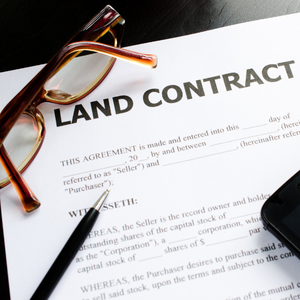
Legal issues on selling land in Texas are important for any landowner considering selling to a city or county. Legal hurdles are removed once landowners familiarize themselves with the process of selling land in Texas and comply with all legal requirements. Whether seeking legal counsel or learning how to organize relevant documents, this chapter provides an overview of fundamental legal issues related to selling land in Texas. These issues enable the sellers to protect themselves while doing business with governmental organizations fully.
When to Seek Legal Advice for a Land Sale
Obtaining legal advice for the sale of land in Texas to a city or county is a necessity. Legal advice assists in dealing with the complexities of property law and resolving conflicts of ownership and unique property rights. From the outset, a competent attorney, to protect you from violations of state statutes, should guide you through the unfamiliar situation to facilitate a smoother and safer transaction.
Legal specialists should be contacted to review property titles, to reveal and deal with liens or easements, as well as to help answer “Do You Need Title Insurance When Selling Land” and explain exactly what rights are being transferred. They assist with intricate zoning and land-use regulations to ensure that any proposed uses are compliant with municipal requirements. Transactions that involve legal entities require professional legal guidance to address public interests, procedural requirements, and negotiations, helping protect your interests and ensure a successful sale.
Important Legal Paperwork for Texas Land Transactions
The Texas legal paperwork for selling land is in place to protect both parties and to comply with Texas state law. Such documents include a legal land survey to confirm the true boundaries; an appraisal document that establishes a fair market value of the land, which is especially important in a sale to a city or county; and a clear title, which verifies that the property is free of liens or other title disputes. All of these documents provide transparency and mitigate the risk of delays or other issues.
The other document of equal importance is a properly drafted sales contract that outlines the price, other terms, timeframes associated with the contract, and any contingencies. This also includes any relevant certificates that may be necessary, such as proof of zoning compliance. Having all these documents properly created and vetted by legal professionals to form a cohesive legal document package that will substantiate the buyer’s position, and this is of particular importance when the buyers are governmental entities. Having the legal documents in order will facilitate the sale of the land in Texas.
Selling your land to a Texas city or county can be advantageous if done properly. Thoroughly understanding local policies and regulations is essential, as navigating these complexities is not trivial. By matching your sales process to the municipalities’ needs, you can succeed. Selling to a city requires clear and thorough preparation and communication, especially if negotiating for the land to be developed, conserved, or used for public purposes. You can reach out to us at any time for specialized assistance. A well-informed approach to selling land will enhance your experience and will be reciprocal.
Wondering if you can sell land to the city or county in Texas? Whether you’re aiming for a quick sale, want to avoid complicated processes, or prefer a smooth, stress-free transaction, We Buy Land Quick is here to help. We provide fair cash offers, handle all the necessary steps, and make selling your land effortless. Have questions or ready to explore your options? Call us at (469) 529-7977 for a no-obligation offer. Get started today!
FAQs
What are the motivations behind selling land to a Texas municipality or a county?
Selling land to a Texas municipality or county fosters community development and streamlining of processes while enhancing civic pride due to the integration of the community through public projects like community parks or public works. While private purchases do carry some uncertainty, these deals are more stable and secure.
What legal matters are involved in selling land in the State of Texas?
Selling land in the State of Texas requires an understanding of the civil laws governing local and state property, including but not limited to zoning regulations, legal titles, and any encumbrances such as liens and easements. Compliance with such regulations steers civil dealings in the right direction, ensuring streamlined processes and minimizing the possibility of disputes.
How should I determine the value of my land before selling?
The worth of land is greatly determined by location, zoning potential, and the economic climate. Engaging in a comparative market analysis along with a professional appraisal works to your best interest in establishing a fair market and competitive pricing.
What documentation is necessary for selling land in Texas?
The selling of land in the State of Texas demands a land survey, appraisal documents, title deeds, and an agreement. Prospective buyers of land may also require zoning compliance certificates as documents that the land is legal and state its intended uses.
How do I sell my land to city officials?
Before speaking with officials, familiarize yourself with the city’s goals and priorities. Draft a proposal for city departments outlining the land’s potential public uses. For any prospective sales, follow up and develop a rapport with the officials.
Helpful Texas Blog Articles
- Selling A Part Of Your Land in Texas
- Can You Subdivide Land in Texas?
- Understanding Taxes on Selling Land in Texas
- Can I Sell Land to the City or County in Texas?
- Best Sites to List Land for Sale in Texas
- How to Sell Land with a Lien in Texas
- Do You Need Title Insurance When Selling Land in Texas?
- How to Negotiate Land Prices with Buyers
- Environmental Restrictions to Know Before Selling Land