

Understanding Property Rights: A Guide for Texas Landowners
Texas property law contains complex rules for prospective sellers who want to auction their land. These laws enable landholders to use or sell land in Texas.
These combine to create the surface, mineral, air, and water rights, which affect the estate’s value and the sale process. Understanding these sorts aids landowners in assessing their properties correctly and bargaining more effectively in case of sale.
Physically owning the land means you own the surface rights, while mineral rights include resources like oil and gas under the land. If these resources are present, they can create a positive impact on negotiations. Air rights refer to rights to the space above land and can be important in areas with heavy population and above-ground construction.
Water rights are the laws that govern access to water bodies on or near the land, and they are a very important consideration, given Texas’s ever-changing climate. Recognizing easements and zoning restrictions as the bedrock of selling strategies and property appraisal makes them crucial.
We Buy Land Quick can help local compliance meetings fulfill legal obligations, thereby strategically positioning the seller with potential buyers who have specific future intentions for the property.
Can You Subdivide Land and Sell It?
Definitely! Managing Texas real estate transactions, subdividing a parcel of land involves legal and business considerations for a seller-entrepreneur. If you intend to subdivide a parcel for sale, the local zoning interface, county policies, and the relevant governing deed restrictions are very important.
Distributing land into smaller sections within Texas requires careful surveying of the area’s boundaries, adherence to the most up-to-date city ordinances, and, most often, a seal from the city or county planning commission. Selling lots is paramount to increasing profit.
Selling subdivided parcels can attract a wide range of audiences, from developers seeking new construction sites to individuals seeking places to build their dream homes. Nevertheless, achieving successful transactions will still require proper due diligence and tactical pricing, in which both parties are satisfied without compromising profitability.
Taking full advantage of subdivision and sale in Texas real estate requires expert land navigation. Contact us to guide you through the process.
Comprehensive Guide to Subdividing Land in Texas
Texas law and your local land-use laws will be the starting point for your survey on how to possibly subdivide land. Most subdivision and zoning laws are classified as ordinances issued by the county or city. Many of these laws and ordinances vary. After surveying the local laws, contact a licensed land surveyor to survey the property lines and confirm the zoning ordinances, laws, and boundaries pertaining to any physical or legal limitations.
After the survey, you need to obtain the proper permissions. Work with the necessary local authorities to submit the subdivision plat. You may have to conduct some environmental assessments for your project. Each city and county has different requirements you must comply with. You should also consider the planning and engineering standards of the local authorities for the drainage, roads, and utilities in your development.
Before finishing the subdivision, adjust your plan to buyer demand and local market trends. Subdivision design that considers the market will maximally increase your property’s value. Look to your title for easements, deed restrictions, or other legal issues. Consider employing a real estate attorney to address and remedy the issue(s).
While developing your subdivision, hire skilled surveyors, land planners, engineers, and attorneys so your business is in good legal standing and to help avoid major setbacks. Stay aware of the area’s projected population and economic growth patterns. The strongest investments are usually in the most developed areas, like Austin, San Antonio, and DFW.
Understanding the Process of Selling Land in Texas
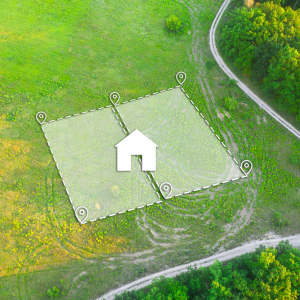
In the story of selling land in Texas, there’s an interaction with how the state operates, how it is governed, and the regional economic setup. The Assessment of the customs describes the records-checking process, including zoning and local subdivisions, which dictate how the property can be sliced, subdivided, and sold.
It is essential to obtain a land survey to delimit the boundaries of the piece of land you will sell. An experienced Texas land realtor will undoubtedly help you understand the relevant pricing dynamics relative to prevailing market demand.
Furthermore, knowledge of the law, such as drafting deeds and contracts, simplifies matters concerning the transaction. Additionally, sellers should consider the implications of partial asset divestment for property taxes, which may require consulting a tax expert with experience in Texas real estate law.
To achieve sales, the marketing policy should highlight the location’s geography, accessibility, and future developmental prospects.
How to Sell Part of Your Land in Texas?
Selling part of your land in Texas begins with working with a licensed real estate professional who specializes in land transactions. They help you get to know the local markets, set a fair selling price, and gauge local purchase interest. After this, it is best to hire a licensed land surveyor to identify the boundaries of the section to be sold and to ensure that the survey contract complies with the subdivision and Texas legal allotment requirements for future purposes.
Upon conclusion of the survey, assess the local zoning ordinances and subdivision regulations. This will determine whether the parcel can be legally sold as a separate parcel. Some counties (and some municipalities) may require a permit or subdivision approval. As a best practice, survey the land. If the land needs access improvements, clear unwanted debris, and make legal and/or physical land improvements to attract buyers.
When your property is ready, create a strong marketing strategy using high-quality photos, detailed property descriptions, and land-specific listing platforms. Emphasize valuable features such as road frontage, utility availability, recreational uses, or development potential that appeal to both traditional buyers and investor land buyers in San Antonio and other Texas cities. Set a competitive price by comparing similar land sales in your local Texas market, factoring in the parcel’s size, location, and overall value.
Drafting or reviewing your purchase agreement with a Texas real estate attorney will ensure you are in compliance with Texas real estate laws. Prior to accepting your offer, you will need to work with a Texas real estate attorney. Finally, work with your real estate agent to help you with the title company, the attorney, and the closing process. This will help you complete and sign the documents to transfer ownership to the buyer.
How Do You Legally Split Property in Texas?

Understanding land subdivision policies and real estate laws is necessary for property division in Texas. To accomplish zoning compliance for your property at the county level, the first steps involve obtaining a subdivision’s zoning and subdivision checks.
The qualified surveyor with whom you contract must generate an accurate parcel-based land survey since it impacts the boundary and area calculations of the subdivided parcels. An examination from the local planning and zoning commission is frequently needed to determine if the proposed subdivision complies with all applicable municipal codes, infrastructure standards, and other requisite subdivision elements.
A plat map must also be filed with the county clerk’s office to record the new property boundaries officially. When navigating the complexities of subdivision, the property owner should consult with a Texas real estate attorney.
A public road and respective utilities are verified accesses to each parcel in active subdivisions, land divisions, and sales. Compliance with subdivision laws within the scope of Texas real estate enables property owners to subdivide their parcels of land effectively.
How Much Does It Cost to Divide Land in Texas?
The Texas real estate market has unique obstacles regarding the sale of subdivisions, like any market. Knowing the costs of property subdivision and sale is critical to being successful in this business. Texas law states that the cost of subdividing property is determined by the property’s address. Likewise, other zoning restrictions regarding property size and local governance determination also play a role.
In general, expenses can include surveying fees to establish legal boundaries and subdivision approval application fees from local municipalities or county governments. Additionally, local government officials may require funding to construct new road accesses and utility service connections, improve existing drainage systems, and upgrade the existing infrastructure.
Legal counsel’s subdivision review and any other work considered, such as environmental impact assessments, may incur other costs. The proposal is nicely tailored for Texas real estate participants. Before executing a land subdivision plan, a comprehensive analysis must involve professionals such as planning officials, surveyors/architects, real estate lawyers, and property evaluators, who carefully consider these costs in the proposal.
This allows investors to formulate effective strategies for subdivided land in Texas that guarantee maximum ROI.
How Do I Sell My Land Without a Realtor in Texas?
Selling land without a realtor in Texas can be a rewarding yet challenging endeavor, but with the right approach, it’s entirely feasible. To estimate the value of your property, it would be prudent to analyze the Texas real estate market along with the most recent land sales in the area.
In addition, ensure that all legal documents, especially property surveys, are checked out with the most up-to-date information to clear any issues that may arise during the transaction’s completion. Advertising is critical if you plan to sell the house independently; purchase ads on premium sites or list the property on LandWatch and Zillow to maximize visibility.
Professional local investors and real estate seminars can provide a better pool of prospects. Attractive, detailed descriptions with high-resolution pictures can help attract cash land buyers in Houston and other cities in Texas.
Finally, you should hire a Texas real estate attorney to review any offers or contracts you receive, to ensure your rights are protected and that they comply with the relevant Texas Laws. Selling your property without engaging the services of a real estate agent means you have to invest your time and effort in designing the most profitable selling strategy, which is likely to pay off when you do not have to pay the real estate commission.
How Do I Transfer Ownership of a Property in Texas?

Transferring property ownership in Texas involves several essential steps that every landowner should understand to ensure a smooth real estate transaction. First, preparing a legally binding deed, such as a warranty deed or a Quitclaim Deed for Land, is crucial, as it is the official document for transferring property ownership.
This document must include accurate details about the property and the parties involved. Once the deed is prepared, the seller must sign it in the presence of a notary public to authenticate the transfer process.
Following notarization, the deed must be presented to the county clerk’s office in the property’s county for recording; this updates public records and protects the interests of both parties. Outstanding liens and/or encumbrances on the property must be paid off by the sellers prior to the sale.
This is one of many areas where the assistance of knowledgeable real estate professionals, such as an attorney or a title company, can be highly valuable. There are always many applicable laws and guidelines in the Texas real estate market that impact the sale or purchase of property. An experienced team member can help guide the overall selling or purchasing process and ensure the actual transfer of property goes smoothly.
How Much Is an Acre of Land Worth in Texas?
Several key factors must be considered to ensure an accurate valuation of an acre of land in Texas. The value of an acre in Texas can vary significantly by location, with urban areas such as Austin and Dallas commanding higher prices than rural regions like the Panhandle or West Texas.
Additionally, the land’s intended use, whether residential development, agricultural use, or commercial development, greatly influences its market value. Economic conditions, local real estate trends, and proximity to amenities are crucial in assessing land prices.
Understanding zoning regulations and the potential for future development is essential when evaluating the value of an acre of land in Texas. Consulting with a real estate expert specializing in Texas property can provide valuable insights into current market dynamics and help you strategically price your land for sale.
Can I Divide My Land in Texas?
Understanding the legal and logistical aspects of land division in Texas is essential to a successful property sale. Subdividing property can be a strategic move to maximize real estate value in Texas, but it requires careful planning and adherence to local regulations.
Before proceeding, consulting with a real estate attorney or expert familiar with Texas land division laws is crucial. The process often involves obtaining necessary permits and ensuring compliance with zoning regulations set by municipal or county authorities.
When subdividing your land, you must consider access roads, utility easements, and environmental impact. Engaging a professional surveyor can help create an accurate plat map outlining the proposed divisions of your property.
Understanding these elements will streamline the process and enhance the marketability of the newly divided parcels. By leveraging these expert strategies and tips specific to Texas real estate, property owners can effectively navigate the complexities of selling a portion of their land while maximizing potential returns.
Need to sell your land fast? We Buy Land Quick offers fair cash and a hassle-free process. Call (469) 529-7977 for a no-obligation offer today!
| TAXES | LONE STAR STATE | PROPERTY TAXES | PROPERTY TAX | CASH | MULTIPLE LISTING SERVICE |
| MLSS | DOCUMENTS | COMPANY | ZILLOW | REALTORS | BROKER |
| REAL ESTATE AGENTS | TITLE COMPANY | TITLE COMPANIES | TITLE INSURANCE | MORTGAGE | MORTGAGE AGREEMENTS |
| HOME LOANS | LAND VALUES | PURCHASE AND SALE AGREEMENT | LIENS | LOTS | CRAIGSLIST.ORG |
| CRAIGSLIST | ACRES | OWNERSHIP | OWNERSHIP INTEREST | FSBO | FOR SALE BY OWNER |
| FEES | ASSETS | LOAN | INVESTORS | INSURANCE | |
| LENDER | WARRANTY DEED | WARRANTY | REAL ESTATE INVESTOR | PAYMENT | OPTIONS |
| MARKETPLACE | INVESTMENT | INVEST | ESTATE AGENTS | DEMAND | BANK |
| TEXAS REAL ESTATE COMMISSION | UTILITIES | NATURAL RESOURCES | INFORMATION | INCOME | FARM |
| UTILITIES | LEGAL TITLE | LAND SURVEYOR | RANCHES | RANCH | PHOTOGRAPHY |
| MONEY | LIABILITY | EQUITY | INBOX |
Helpful Texas Blog Articles
- How to Market Land for Sale: Top Tips
- A No-Lawyer Guide to Selling Land
- Guide To Selling A Part Of Your Land in Texas
- Selling Land To Developers In Texas
- Understanding The Vastness Of 100 Acres
- Selling Non-buildable Land In The Real Estate Market
- Can You Build on Your Land? Zoning Rules Explained
- Can You Rent Out Land Instead of Selling It?
- Comprehensive Guide To Evaluating Your Land’s Worth In Texas
- Understanding Closing Costs For Land Purchases In Texas
- How to Find Out the Zoning of My Land in Texas
- How to Sell Hunting Land in Texas
- Real Estate Commissions and Commissions on Land Sales in Texas
- Do You Need a Realtor to Sell Land in Texas
- Capital Gains Tax on Selling Land in Texas