
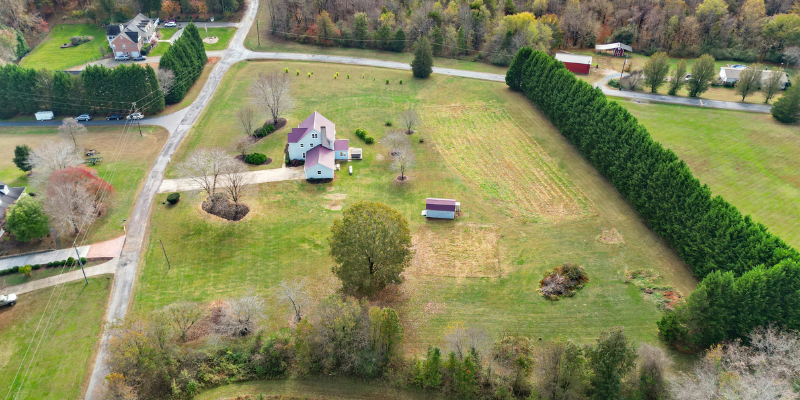
For land developers and owners in Texas, preparing a land subdivision strategy that maximizes use and value potential is crucial to achieving land appreciation. Subdividing land can be described as simple, for example, when it involves agricultural land. Subdividing commercial land, however, presents a host of complex challenges. This document seeks to outline the Texas legal context and the zoning implications of different types of land subdivisions. In Texas and at the county level, numerous factors influence land use, as well as zoning restrictions and ordinances. This document provides observational pointers to help you efficiently satisfy the legal criteria for your county. Subdividing land in Texas can certainly be complex, but given the correct information, it can be accomplished in a tidy and effective manner.
Key Highlights
- Understand Texas’s complex land subdivision process, focusing on legal and zoning regulations to maximize land value.
- Subdivision involves dividing larger parcels into smaller lots, requiring compliance with county-specific legalities and regulations.
- Collaborate with the planning department to ensure subdivisions meet engineering and real estate guidelines effectively.
- Preparation, including engineering assessments, is vital for successful subdivision and county approval.
- Overcome subdivision challenges by engaging legal, engineering, and tax professionals for strategic, compliant development.
Understanding the Basics of Texas Land Subdivision
Mastering Texas land subdivision requires an understanding of its fundamental principles. Rural land or real estate in a subdivision pales in comparison to the importance of the land. The process of subdivision is immensely profitable for the landowner. It creates the potential for development, selling, or economic investing. No Texas county is devoid of its own subdivision regulations. Flexibility and care in the subdivision process are key to gaining approval.
Subdivision of Texas land is more than the simple division of parcels. It involves coordinating the county’s legal, administrative, and regulatory functions. The land owner is required to prepare and submit a proposed subdivisional arrangement for the land in the form of detailed plats and surveys. These must comply with the administrative covenants of the region as well as zoning and infrastructure statutes. The potential for gaining approvals rests on the landowner’s ability to coordinate with surveyors, engineers, and county officials. The process is significantly delayed when the documents contain minor errors or inadequacies.
Such knowledge allows landowners to manage the subdivision of large parcels of property successfully. Knowing the importance of each part of the process—such as plat approval and preparation of legal documents—helps optimize the subdivision process while ensuring it remains legally compliant. Landowners may rely on planning and professional consultation to ensure their land development is in compliance with the state of Texas’s expectations and meets the requirements for subdivision. This process involves developing land in Texas.
What is a Subdivision in Texas?
In Texas, subdivisions of land refer to the division of larger pieces of land into smaller parcels, known as lot subdivisions. Subdivision processes are standard for rural land that is developed or sold in smaller parcels. Beyond land division, there are formal administrative processes that must be followed, which include submitting a subdivision application, preparing and presenting a detailed plat, and obtaining approval from the relevant county authorities.
Plat requirements outline the boundaries and exact measurements of the land, as well as the legal descriptions of all the lots; therefore, identifying them is a vital step in understanding compliance. Different counties may enforce different requirements, which is why landowners and developers need to be aware of the local requirements. This anticipation helps mitigate excessive delays and legal development issues, ensuring that subdivisions of rural land are consistent with Texas laws and land use policies.
We buy land in Texas and understand that a subdivision means dividing a larger parcel into smaller lots for development or sale. This process involves more than simple division—it requires a subdivision application, a detailed plat, and approval from the county. By following local plat requirements and regulations, we ensure that every project complies with Texas land-use laws, facilitating smooth, lawful, and efficient development.
Navigating the Legal Roadmap for Subdividing Texas Land
Subdividing land in Texas presents a range of unique challenges and opportunities for both developers and private landowners. The first is a comprehensive assessment and implementation of the land break legal and permit frameworks. Every county has specific land use and subdivision ordinances. The subdivisions’ legal guidelines might require detailed plats, engineering surveys, and environmental assessments for each proposed land division. Every proposed land division must be legally permissible, particularly in terms of county and state legal obligations, which are essential for avoiding lasting impacts and mitigating risk regarding approvals and permits granted by local commissioners’ courts.
In addition to permitting, the successful subdivision of land requires cooperative relations and collaboration, particularly with planning and engineering departments regarding infrastructure, drainage, and access standards. Landowners can achieve a predictable compliance outcome regarding county and state permits by complying with these and other sequenced procedural obligations. Landowners ease the development process legally and predictably for the first time. County-specific guidelines in real estate development form the fundamental basis for predicting future opportunities in the vast and diverse real estate development landscape of Texas.
Essential Legal Requirements and Permits

Understanding the legal boundaries regarding the issuance of a subdivision permit in Texas helps ease the process. Although subdivision laws provide a considerable amount of flexibility to accommodate subdivisions to the specific needs of the counties, there are still subdivisions with distinct variations in land use regulations, permit issuance, reviews, and procedures. Hence, engaging with stakeholders in the relevant local setting, especially the county commissioners’ court, is essential to ascertain the necessary approvals and paperwork for a particular parcel of land.
Drawing and filing the necessary plats and maps is a crucial step in the subdivision process. These plans must clearly show the land boundaries and proposed subdivisions, and include other relevant provisions such as easements and detailed infrastructure information. Each county needs to appraise the subdivisions for compliance with zoning, access, and public utility standards. The contributions made towards compliance not only assist in the technical aspects but also in the legal aspects of the subdivision laws for the county.
When the proposed subdivision plans are submitted, the county court or planning department undertakes an extensive examination of the plans. This examination safeguards compliance with the guidelines of state and local subdivision law. Approval of the proposed subdivision plans is a prerequisite to recording the proposed plat and commencing development. Knowing and following all the steps of the process minimizes probable frustration, ensures the subdivision is legally compliant, and protects the landowner’s interests when finalizing the subdivision.
We Buy Land Quick helps landowners navigate the Texas subdivision permit process from start to finish. We ensure compliance with regulations, coordinate with local authorities, and work with surveyors and engineers to prepare accurate plats. Our expertise streamlines approvals, keeping your project moving smoothly.
Role of the Planning Department in Land Subdivision
In Texas, the planning department plays a vital role in coordinating the successful subdivision of land. It acts as an invaluable source of assistance to landowners and developers. It supplies the necessary information to cover the subdivision application, courtesy of the county and state. The planning department functions by accomplishing essential subdivision and planning, coordinating the engineering and zoning divisions, and ensuring that development proposals are consistent with local policies. The department ensures efficient land use, promoting orderly and sustainable growth for the community.
The planning department connects landowners and developers to state authorities. It provides infrastructural essential feedback needed for approval, such as roads, drainage, and utility access, as well as utility management. Engaging in planning early minimizes issues, avoids costly revisions, and ensures that the subdivision process is effective and efficient.
How the Planning Department Can Assist in the Process

In Texas, the planning department provides invaluable assistance to landowners and developers during the land development process. Professionals offer guidance to developers and help them prepare numerous detailed plats that conform to engineering subdivision standards. Developers of subdivisions greatly appreciate the assistance of the department in processing the multiple regulations and support their branches with the numerous engineering standards and regulations.
In all, the planning department facilitates the interface between landowners and public entities, balancing all required permits and confirming that subdivision plans comply with land control regulations and public statutes. Through this comprehensive approach, the planning department helps streamline the permit application process and reduces the risk of legal issues during land development.
The planning department can further assist in streamlining the land development process in the following ways:
- Facilitate community engagement and feedback during project planning stages.
- Provide insights on sustainable development practices and trends.
- Coordinate with the zoning department for regulatory compliance.
- Assist in acquiring necessary permits and licenses promptly.
- Offer workshops and resources to help individuals understand local ordinances.
- Mediate between developers and environmental agencies for eco-friendly projects.
- Review and update guidelines to reflect legislative changes.
These additional efforts ensure a smoother, more compliant development process for all parties involved.
Steps to Successfully Subdivide Your Land in Texas
Division of land in Texas is self and eye taxing regarding real estate development aspects and the laws of the county in question. The first stage involves determining the property for division, which entails reviewing the zoning designation alongside utility and road access, as well as the property size.
Hiring engineers to assist with land development will help address unsurfaced roads and planned subdivisions for the initial technical infrastructure elements, such as proper country roads. Site grading will ensure that your proposed layout receives approval. This helps alleviate the expensive reworks in the approved stages.
Communication with county officials at all stages of the project’s planning, development, and execution is equally important. Early contact with the planning department provides insight into local subdivision requirements, lead times, and the necessary documentation. Gaining plat approval, as well as following the prescribed regulatory directives, enables your project to stay on track, compliant, and to lay the groundwork that will ensure the future subdivision and subsequent development of the property are successful.
Whether you’re planning to develop or sell your subdivided lots, our team can guide you through the entire process. Contact us today to ensure your Texas land subdivision is handled efficiently, legally, and with maximum value in mind.
Key Actions to Prepare Your Property for Subdivision

The start of dividing your property requires careful planning and groundwork to set the stage for a successful development. First, a thorough analysis of all the possible perspectives of the property needs to be conducted, which includes its size, location, zoning, and even the availability of utilities. Before any of these can be performed, a possible first draft of the county subdivision regulation needs to be looked at. This is particularly the case with the geography of the subdivisions in Texas, which exhibits significant variance due to the state’s vast size. This principle aims to maximize the potential for value to be wasted from a developer’s perspective and to achieve the project’s goal in all related aspects.
It is at this stage that the most outstanding value can be added to property planning when an engineer is contracted. They aid in planning to see property’s prescriptive subdivision maps in terms of topography, property drainage, soil, and even property development in property subdivisions. This is used to facilitate the attainment of subdivision approval from the appropriate authority. An engineered subdivision will pose a lower rejection/approval risk, which in turn will improve the future market value.
Equally important is knowing of and appreciating the engineering and design principles that accompany successful land development, which incorporates site grading, road access, and stormwater management. Informed and continuous conversations with engineers, surveyors, and local stakeholders give you the best chance of an efficient approval and keep you moving through the subsequent stages of the subdividing process for your Texas property.
Common Challenges in Texas Land Subdivision and How to Overcome Them
Subdividing land in Texas is a multifaceted process that often presents various challenges. These challenges can range from navigating complex legal frameworks to meeting county-specific zoning and development regulations. Both rural and urban landowners must understand the different approval processes, documentation requirements, and local ordinances that govern the division and development of land. We work with cash land buyers in Houston and other cities in Texas, helping property owners simplify transactions and explore opportunities for profitable land development or sale.
Besides obtaining the necessary approvals, subdivision of land involves considering additional technical and financial aspects. The surveying, platting, and engineering standards adopted for the subdivision must meet the relevant state and county standards to ensure the subdivision remains legally defensible and feasible. Potential landowners must consider the provision of utilities, the costs of developed infrastructure, environmental impact assessments, and the level of impacts that most often affect project approvals and profitability, as these variables are all vital in influencing profitability.
Appreciated financial and legal aspects enable the mitigation of possible delays. This can be achieved through prior discussions with an attorney, the relevant engineer, or a tax specialist. They will be able to provide invaluable advice regarding the subdivision approval and permitting work that ultimately must be obtained. This work will help avoid negative attitudes and promote a spirit of purposeful land value optimization, thereby achieving the desired property development objectives.
Tips for Addressing Potential Obstacles
Every subdivision goes through challenges that require planning and prioritization. Contact and familiarize yourself with the laws and zoning regulations that determine land use. Local compliance issues can be dealt with early on by engaging with regional and municipal attorneys and engineers. Identifying problems that trigger local regulations streamlines any necessary changes. Obtaining real estate and land use attorneys would facilitate the process even further, as they can assess your contracts and land use/subdivision applications to ensure they meet the required regulations for the county and state. These strategies will help pass early compliance checks.
Legal compliance must be accompanied by financial planning and the experience of a tax advisor, who should be engaged early in the project. Constructively collaborating with subdivision approval authorities, particularly county officials, planning departments, surveyors, and planners, creates a buffer in the subdivision process. By establishing legal, financial, and procedural controls, you build confidence and enhance border efficiency in the complex Texas rules governing land subdivision.
| Challenge | Strategic Solution | Key Professionals Involved |
|---|---|---|
| Zoning Restrictions | Conduct thorough research and collaborate with local zoning authorities to ensure compliance and explore variances if necessary. | Urban Planners, Zoning Attorneys |
| Environmental Concerns | Conduct environmental impact assessments and collaborate with environmental consultants to identify and mitigate potential environmental issues. | Environmental Consultants, Ecologists |
| Utility Access | Coordinate with utility companies early in the planning process to secure access and avoid delays. | Utility Coordinators, Civil Engineers |
| Infrastructure Development | Develop a comprehensive infrastructure plan addressing roads, sewage, and drainage systems. | Civil Engineers, Infrastructure Planners |
| Legal Compliance | Engage legal experts to ensure all land subdivision regulations and permits are thoroughly addressed. | Real Estate Attorneys, Compliance Experts |
This table highlights the importance of proactive engagement with legal and professional experts in overcoming challenges associated with Texas land subdivision, thereby ensuring a smooth development process.
Subdividing land in Texas presents numerous opportunities but requires careful navigation through legal, zoning, and environmental regulations. By understanding the local requirements and seeking expert advice, landowners can effectively tap into the potential value of their property. This process not only enhances the usability of the land but also boosts its market appeal, whether for residential development or agricultural expansion. With the proper planning and resources, you can achieve successful subdivision, adding both monetary and intrinsic value to your asset in the Lone Star State.
FAQs:
What is the process of subdividing land in Texas?
Subdividing land in Texas involves dividing larger parcels into smaller lots, necessitating compliance with county-specific legalities and regulations. This includes preparing detailed plat maps, obtaining necessary permits, and adhering to local zoning and environmental regulations.
Why is understanding county-specific requirements essential for land subdivision in Texas?
Each county in Texas may have unique regulations and requirements for land subdivision, such as permits and approval processes. Complying with these county-specific requirements is crucial to ensure a seamless subdivision process and avoid potential legal issues.
Who plays a pivotal role in the land subdivision process in Texas?
The planning department plays a crucial role by offering guidance and ensuring compliance with local regulations. They assist with evaluating plat submissions and overseeing land development, ensuring that subdivisions meet engineering and real estate standards effectively.
What challenges might one face when subdividing land in Texas?
Challenges include navigating complex legal frameworks, addressing county-specific regulations, ensuring compliance with engineering and environmental standards, and handling tax implications. Engaging professionals can help mitigate these issues.
How can engaging professionals aid in the land subdivision process in Texas?
Professionals such as legal, engineering, and tax experts provide valuable insights and guidance to address compliance issues, prepare necessary documents, understand tax implications, and ensure that subdivision efforts meet all regulatory requirements.
Do you need to sell your land? Whether you want to sell quickly, avoid expensive improvements, or prefer a hassle-free process, We Buy Land Quick is here to help. We make fair cash offers, handle all the paperwork, and ensure a smooth, stress-free sale. Ready to sell your land or have questions? Call us at (469) 529-7977 for a no-obligation cash offer — get started today!
Helpful Texas Blog Articles
- Selling A Part Of Your Land in Texas
- Can You Subdivide Land in Texas?
- Understanding Taxes on Selling Land in Texas
- Can I Sell Land to the City or County in Texas?
- Best Sites to List Land for Sale in Texas
- How to Sell Land with a Lien in Texas
- Do You Need Title Insurance When Selling Land in Texas?
- How to Negotiate Land Prices with Buyers
- Environmental Restrictions to Know Before Selling Land