

Selling land in Texas and dealing with capital gains taxes can be straightforward if you have the necessary knowledge and information on taxes. As a seller, whether you are new to land sales or have been selling land for a long time, understanding capital gains taxes can significantly affect your financial outcome. Keeping yourself updated on tax rates and tax exemptions can lead to savings on taxes. We will explain capital gains taxes so that Texas land sellers can understand the importance, and if you would like help with anything, the We Buy Land Quick is happy to assist.
Brief Overview
When selling land in Texas, knowing capital gains taxes is very important because it determines how much profit you keep and lets you stay on the right side of the law. Texas does not have a state capital gains tax, which is a benefit, but you will still have to pay federal taxes. By understanding tax laws, you can determine your tax liability, available deductions, and potential exemptions, such as a 1031 tax-deferred exchange. Or if you’re looking to sell land a little faster, you might consider cash land buyers in Texas and surrounding areas. Taxes can be complex, but with proper planning, you can reduce your burden. This helps protect your profit and ensures a successful land sale in Texas.
Key Highlights
- Texas does not impose a state-level capital gains tax, potentially lowering overall tax liability.
- Federal capital gains taxes apply in Texas, with rates from 0% to 20% based on income levels.
- Using a 1031 exchange can defer capital gains taxes, offering investment growth advantages.
- Deductions on property-related expenses can reduce taxable capital gains and enhance returns.
- Engaging tax professionals can ensure compliance and optimize federal tax strategies.
Understanding Capital Gains Tax in Texas
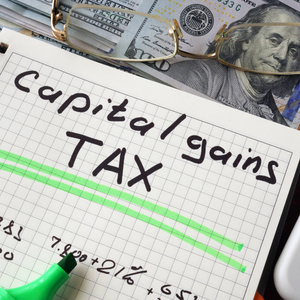
For Texas land sellers, it is imperative to understand how the capital gains tax operates. One of the benefits of selling land in Texas is that, unlike most states, there is no state capital gains tax, so it really helps with your overall tax liability. However, there are still federal taxes to consider, so it is important to understand how the absence of a state capital gains tax works with federal taxes in order to properly manage your taxes. This part explains how Texas approaches capital gains and what Texas residents need to know about the federal tax consequences.
How Texas Approaches Capital Gains
Your land selling opportunities are made even better by Texas not having a state capital gains tax. That means land sellers can keep more of their profits selling land. Land sales are subject to federal capital gains taxes, but that’s a much lower tax burden than in almost any other state. For land sellers who have sizable gains, this is a meaningful savings and adds spending flexibility post-sale.
Nevertheless, some tax liability will remain, so it’s important to plan. Knowing what your federal rate is and how capital gains are taxed will help you maximize your return. Texas sellers have the advantage with no state taxes and can really hone in on federal taxes and achieve a better financial outcome.
Federal Tax Implications for Texas Residents
Texans are free from paying state capital gains taxes, but they still owe federal taxes. Federal capital gains taxes are generally calculated with gains added to your taxable income, which can range from 0% to 20%. Thus, to comply with the law and to not be penalized, all capital gains must be reported, without exception.
As for paying any more taxes than absolutely required, there are ways to reduce your taxable gains. Deductions, provisions, and other means provided by the IRS all help to lower the taxable gains when land is sold. Because of the federal tax implications, they can be quite tricky, and the best way to mitigate any compliance, benefits, or tax-related responsibility issues is to partner with someone who is knowledgeable, like a tax professional.
The Basics of Capital Gains Tax on Land Sales

Selling land can impact your finances negatively after the sale if you fail to understand the capital gains tax implications. Luckily, if you are selling land in Texas, you will not have to worry about paying a state capital gains tax because Texas has no state capital gains tax. However, Texas residents selling land must still optimize gains amid the complexities of federal taxes. These gains can be optimized if the seller understands how capital gains tax liability and tax rates are computed. This will help in planning taxes and saving money. This section will address the most important information about these issues.
Calculating Your Capital Gains Tax Liability
To determine capital gains tax, first determine your cost basis. This includes the purchase price, any improvements, and other related expenses. Subtract the cost basis from the sales price to determine your total gain. Texas has no state capital gains tax, so sellers focus on the federal side and make sure the IRS reporting is done correctly.
If you own the property for more than a year, then you get a more favorable tax rate. All other gains are taxed at your ordinary income rate. Depending on the tax rate, you may want to time the sale. You can also offset gains with losses. A tax consultant can help you be more compliant with the tax code.
As we continue from previous findings, better managing capital gains tax can be done through some of the following options:
- Use tax-loss harvesting to claim capital gains and losses.
- Long-term capital gains rates apply to losses held for over a year, so consider this.
- Use tax-deferred investment accounts like the IRA.
- Plan to sell assets in years where your income is lower.
- For a tax deduction, a charity can accept appreciated assets.
- If capital gains tax is involved, consider investment in Qualified Opportunity Zones.
- Spreading gains among recipients in lower tax brackets through some form of gifting can be useful.
By considering some of the options outlined above, you can certainly make your capital gains tax more effective.
Impact of Tax Rates on Capital Gains
Selling land can trigger a capital gains tax, which can affect your profit significantly. There are federal taxes that depend on your income and the duration of your ownership of the land. Longer ownership of the land results in long-term capital gains. Shorter ownership is taxed at the ordinary income tax rate. Tax laws change, so you should keep yourself updated so that your calculations are accurate.
Determining the rate of capital gains tax on your land sale is also affected by your total income and the duration of the gain. Long-term gains can be taxed at 0% and up to 20%. Higher income means a higher tax bracket, so selling your land at a different time can make a positive tax impact. You should consider hiring a tax professional to help you navigate existing tax laws, reduce your tax burden, and increase your total profit.
Strategies for Minimizing Capital Gains Tax

There are many different ways to legally structure your transaction to minimize capital gains tax, should you wish to sell your land in Texas. Refinement of short-term vs. long-term capital gains, use of tax deferrals, deductions, and exemptions, and other means can reduce tax impact and increase the portion of the gain you retain post-tax. Especially with the use of tax deferrals and deductions, the seller can lower the tax burden and improve the financial results after tax of the sale.
Deferring Capital Gains Taxes: Options and Benefits
One strategy is reinvesting proceeds to defer taxes into another property, which is an intelligent option. One way to achieve this is through a 1031 exchange, which allows you to exchange your investment for another, similar one, while still deferring the tax. The tax money you would have to spend is instead kept invested, and the money you would not have to pay is kept invested to assist in economic growth.
The deferral option in no way eliminates taxes; it simply gives you the option to pay them at a later date. This could be when the tax implications are more favorable or when you are in a better financial situation. Overall, this method increases flexibility and cash flow. The IRS has a lot of complex tax codes regarding deferral. Therefore, it is best to partner with a tax specialist to make sure you are in compliance and to get the most out of your investment.
Using Deductions to Reduce Your Tax Liability
A seller of land can effectively use deductions to lower the capital gains tax they will owe on the land. Examples of such expenses include property improvements, legal fees, and expenses related to the sale. These expenses can be added to your cost basis, which decreases your taxable profit. Maintaining expense records and being thorough with your deductions can lead to better financial outcomes.
Other expenses, such as fees associated with closing and some carrying costs, may also be deductible, which is a way to further decrease the tax you owe. When working, careful documentation will lead to optimum accuracy and reporting to the IRS. Since tax laws can change, working with a tax professional is advisable, as they can help you discover deductions you may qualify for, keep you on the right side of tax laws, and also help you maximize the profit you will net from your sale.
Selling Land in Texas: Capital Gains Considerations
If you’re selling land in Texas, knowing how much capital gains affect your profit after the sale can make all the difference. Texas has no state capital gains tax, which means sellers have one less tax hurdle to worry about. Sellers still need to deal with the federal capital gains tax. If you also want to sell quickly, consider working with cash land buyers in Austin, TX, and the surrounding areas in Texas. In this section, we’ll look at how to deal with capital gains tax when selling Texas real estate, how to apply the capital gain tax exemptions when selling a property, and how to deal with tax issues to preserve your gains and optimize your return.
| Tax Element | Key Details | Benefits | Actionable Tips |
|---|---|---|---|
| State Tax Advantage | Texas has no state income tax, simplifying the tax process for land sellers. | Entire federal capital gains are taxed without additional state burdens. | Consider allocating saved state tax funds to enhance investment returns. |
| Federal Tax Rates | Capital gains are subject to federal taxation at varying rates based on income level. | Long-term capital gains benefit from lower tax rates than ordinary income. | Hold property for over a year to potentially qualify for favorable long-term rates. |
| Potential Deductions | Costs such as improvements, legal fees, and selling expenses may be deductible. | Reduces taxable capital gains, increasing net profit from the sale. | Keep detailed records of all expenses associated with the land. |
This table shows how Texas land sellers can use tax strategies to maximize returns despite federal taxation.
Reporting Capital Gains Tax on Texas Properties
In Texas, you do not have to worry about state capital gains tax, but when reporting capital gains tax, you have to consider federal guidelines. Gains are calculated by looking at the difference between the cost basis and the sale price. The cost basis can include your purchase price, improvements, and selling expenses. The duration of your ownership affects the tax rate. Long-term ownership (more than 1 year) qualifies you for lower tax rates, which can be anywhere from 0% to 20%. If you owned the property for 1 year or less, short-term gains are taxed at your ordinary income tax rate.
There are tax-deductible expenses that can be incurred during the sale of the property. These include improvements, legal fees, and closing expenses, and these can reduce your taxable gain. The federal tax rules change often, so you want to be up to date so that your reporting is correct. The process can be overwhelming, and a tax professional can make it easier and help you comply with the rules to avoid penalties and maximize the return from the sale.
Understanding Exemptions for Property Sales
In Texas, when selling land, it is the capital gains tax exemptions that matter. Usual exclusions from capital gains taxes provided by the IRS, like the primary residence exclusion, do not pertain to vacant land. This has driven sellers to look to alternative investment strategies, namely a 1031 like-kind exchange, which allows them to reinvest the proceeds from the land into a tax-deferred investment. While there is no state capital gains tax in Texas, there is still a federal capital gains tax that needs to be planned for.
Among other things, you can also lower the taxable gain by claiming deductions for improvements you made to the property and selling costs. These can all contribute to lowering the amount that is tax liable. These regulations and tax codes can get very complicated, and it is advisable that you work with a tax specialist. However, with the right planning, tax exposure can be minimized, federal regulations can be followed, and profit can be maximized.
Selling land in Texas requires knowledge of capital gains tax to maximize returns and comply with tax laws. By knowing the tax laws and exemptions, you can plan your sale and reduce your tax burden. Contact us to speak with a professional who can help you minimize taxes and gain insights tailored to your situation. You can confidently navigate the financial landscape and make informed decisions to protect your future profits with this approach.
Need to sell your land in Texas and dealing with capital gains tax concerns? Whether you want to sell quickly, avoid costly complications, or prefer a hassle-free transaction, We Buy Land Quick is here to help. We provide fair cash offers, take care of all the details, and make the entire process smooth and stress-free, even when navigating capital gains tax on selling land in Texas. Ready to sell or have questions? Call us at (469) 529-7977 for a no-obligation offer. Get started today!
FAQs
What is the capital gains tax situation in Texas for land sales?
With no state capital gains tax in Texas, you only pay federal taxes. It may have lower tax liabilities than states with both state and federal taxes.
How are federal capital gains taxes calculated when selling land in Texas?
Subtracting the land’s cost basis from the sale price yields federal capital gains taxes. The cost includes the original purchase price and improvements. Short-term or long-term gains are taxed based on the asset holding period.
What strategies can reduce capital gains taxes?
Reinvestment in a like-kind property after a 1031 exchange delays capital gains taxes. Property improvements and selling costs can be deducted to lower taxable gains and boost returns.
How do income levels affect federal capital gains tax rates?
Income levels determine federal capital gains tax rates. Long-term gains are taxed between 0% and 20%, with lower rates for lower-income people. Tax bracket-specific ordinary income rates apply to short-term gains.
How does consulting a tax professional help sell Texas land?
A tax professional ensures federal compliance and optimizes tax strategies. Experts on tax laws and deductions reduce tax liabilities and improve post-sale financial outcomes.
Helpful Texas Blog Articles
- How to Market Land for Sale: Top Tips
- A No-Lawyer Guide to Selling Land
- Guide To Selling A Part Of Your Land in Texas
- Selling Land To Developers In Texas
- Understanding The Vastness Of 100 Acres
- Selling Non-buildable Land In The Real Estate Market
- Can You Build on Your Land? Zoning Rules Explained
- Can You Rent Out Land Instead of Selling It?
- Comprehensive Guide To Evaluating Your Land’s Worth In Texas
- Understanding Closing Costs For Land Purchases In Texas
- How to Find Out the Zoning of My Land in Texas
- How to Sell Hunting Land in Texas
- Real Estate Commissions and Commissions on Land Sales in Texas
- Do You Need a Realtor to Sell Land in Texas
- Capital Gains Tax on Selling Land in Texas