
Understanding Land Zoning Laws and Regulations
Knowing how to leverage unbuildable land in real estate requires understanding zoning laws and policies. These laws determine the potential uses for a parcel of land and impose certain constraints that, right or wrong, influence its market value.
For property that cannot be built upon, restrictions may involve service gaps, such as utilities and infrastructure, or environmental protections for wetlands and floodplains. For investment purposes, sellers and buyers must understand local zoning laws to capitalize on variances and zoning changes that could increase the property’s value.
Interacting with the planning departments will reveal possible zoning changes that may expand the use cases for a particular piece of real estate. This helps guide sellers toward strategic approaches such as conservation easements and recreational leasing, which are zoning-compliant but appeal to buyers anticipating more adaptable uses.
Knowledge of laws concerns compliance, which, in this case, helps them actively sell their land by positioning it legally alongside geography and market conditions, thereby enabling them to market it effectively.
Evaluating the Market Value of Non-buildable Land
There are a few factors that set non-buildable land apart from buildable land, and understanding them can help determine market value. The first of these factors is the land’s location and access. The land could be more appealing to buyers even with development restrictions built in. Proximity to desirable areas plays a major role once restrictions are in place.
Changes to zoning laws and the potential future changes to a property’s zoning can all affect land values. Natural land features that can support recreation and conservation can bring specific buyers and investors to the land.
Researching sales of other properties within the region is very important, especially when dealing with unbuildable lots. There aren’t many transactions of this nature, which makes finding comparables difficult. Real estate activities in adjoining areas may, by generating interest in investing in agriculture, timber, or the preservation of ecosystems, indirectly increase demand.
Input collaborations with area specialists. There are many that can be very beneficial. For example, realtors who know the areas of land that cannot be developed, and specialized appraisers with very specific focuses, can work together to develop innovative pricing and marketing strategies.
Creative Strategies for Selling Land with Restrictions
When selling unbuildable land is challenging, creativity becomes your most valuable asset. In trying to sell unbuildable land, creativity comes in handy in the form of constrained parcels. Understanding their specific characteristics and possible applications may reveal ways to realize value, enabling the land to deliver value.
Selling a piece of land for conservation, recreational, or farming purposes is also possible; plots can be marketed accordingly. Focusing on the ecological advantages could attract more environmentally aware buyers, marketing the land as primary locations for conservation areas or wildlife refuges.
In addition, certain trimodal solar farms could provide consistent profit through lease contracts. Partnerships with local governing bodies and non-profit organizations to develop community gardens and parks add social value, which enhances all properties in the vicinity.
Considerable marketing efforts should be directed toward promoting different views, water access, urban proximity, and other features that make alternative land uses feasible. Creativity drives investment; therefore, marketing should focus on imaginative approaches to capturing investors’ attention by demonstrating innovation and flexible thinking regarding land utilization. Contact us for help crafting an effective marketing strategy.
Identifying Potential Buyers for Unbuildable Properties
Identifying whom to sell unexplained parcels of land to is vital to maximizing profits. Unexplained parcels of land may attract investors more than your average home developer because there is a low supply of such areas, and demand for them keeps increasing.
Long-term land appreciation investors stand to gain a lot from these properties, as they prove very resourceful. Environmental organizations do the same when they buy land to limit overdevelopment. People looking to grow their estates often want to develop on nearby empty land. This can even be your local council, as they may want land for public parks or community areas.
Marketing strategies for unbuildable land should address unique characteristics such as proximity to Wild and Scenic designated recreational land or the land’s buffering quality. Knowledge of zoning regulations and potential future changes in the area may attract buyers looking to overcome the land’s current limitations.
With such marketing strategies in place, sellers will likely achieve revenue success by reaching buyers seeking unique real estate opportunities by marketing the specific benefits of unbuildable land to specific consumer groups.
Marketing Techniques for Unconventional Land Sales
Selling land that can’t be developed takes creative marketing strategies. These can show the land’s construction-inhibiting characteristics in a positive light and attract specialized buyers. Make use of the land’s location if it’s close to nature and can be used for recreation. Buyers focused on those activities may find the land appealing.
Use an active online presence to showcase the property. Local real estate agents who are familiar with the unconventional selling strategies can help broaden your audience. Having their support may introduce the property to a buyer.
Targeted social media campaigns should bring to the attention of specific audiences likely to be interested in land for conservation, agriculture, or private retreat purposes. Additionally, seller financing options may attract buyer interest in the land who is considering unconventional investments.
By focusing on these tailored marketing techniques, sellers can effectively communicate the hidden value of unbuildable land to potential investors or enthusiasts seeking unique real estate opportunities. We Buy Land Quick can guide you through this process to ensure your marketing strategy highlights the land’s potential.
Legal Considerations When Selling Restricted Land
When selling unbuildable land, carefully working within the law is the best way to maximize your profit and make the transactions easier. Having a firm grasp of zoning laws and other restrictions is necessary, as they set the boundaries for how land can be used. This will also have the largest impact on how the land can be marketed to buyers.
Sellers should obtain a comprehensive title search to identify easements, liens, or encumbrances that might affect the property’s sale. They should also verify whether there are any environmental regulations or protected areas that could further limit potential uses.
Working with a real estate attorney who handles restricted land will help you understand local ordinances in an area, negotiate terms that will outline the restrictions of the land, and find a buyer for it. Meticulous attention to disclosure requirements will help minimize litigation post-sale. A seller is obligated to reveal land restrictions.
By proactively addressing these legal considerations, sellers can enhance buyer confidence and facilitate a successful transaction even with unbuildable land.
Benefits of Investing in Non-Buildable Real Estate
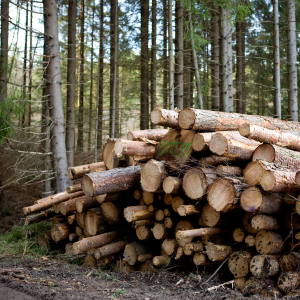
Investing in non-buildable real estate is a way to access an asset that many investors miss out on. Non-buildable real estate is usually considered non-developable if it is in a location where building is not permitted, is not environmentally safe to build on, or is technically difficult to construct on. This type of land is usually cheaper than developable land.
This price difference can also make for greater margin opportunities with leasing or selling. Smart investors can lease land for use as camp sites or land for hunting. Selling land for conservation purposes is also a feasible option. Buyers in the market for multipurpose land of these natures may have great interest.
Moreover, non-buildable land can be a good long-term investment if the surrounding land development slowly shifts regulations. Non-buildable land investments often face less competition and lower taxes.
Due to non-buildable land having a limited, possibly fixed supply, it is a good unconventional real estate investment for diversifying a portfolio.
Enhancing Curb Appeal for Undeveloped Properties
Enhancing curb appeal for undeveloped properties can significantly impact the perceived value of unbuildable land in real estate. Though these lots might be unsuitable for conventional construction, organized cleanups and landscaping would likely have a significant impact.
First, remove any debris and keep your vegetation neat and well-maintained. Adding native plants and/or wildflowers to your property can make it look nice while highlighting your land’s natural features.
Adding signage that looks good and provides information can show buyers potential interest in your property. Your buyers may want to use your land for recreation, conservation, or art. Good signs can show multiple interests. Making any pathways or driveways on your land look good and easy to get to can also help people want to view your land.
By focusing on these visual enhancements, sellers can effectively showcase the unique potential of unbuildable land, attracting diverse buyers seeking distinctive real estate opportunities.
Environmental Impact and Conservation Opportunities on Non-buildable Lands
Non-buildable lands enable the following: value maximization, environmental impact strategies, and conservation strategies. These parcels of land are thought of as unsuitable for (‘traditional’ was a good use in the other text, but suggest removing here) development for a variety of reasons. They can most certainly be seen as good land use for the help of ecology and biodiversity.
To help preserve ecosystems, landowners can create conservation easements or protected wildlife habitats, thereby making non-buildable land conservation easements or protected wildlife habitats. Both options come with specific government tax incentives and grants. Conservation easements can become eligible for carbon credits. Moreover, conservation easements can be used for solar farms, carbon credit lands, or passive pile land.
When engaging with environmental organizations to promote the restitution of indigenous plants and animals, this increases both the environmental benefits of the area and community goodwill, and supports awareness of sustainability. By creating cooperative, innovative stewardship of non-buildable land, it is possible to improve the environment and create economic opportunities for the landowners.
How to Use Drone Technology in Real Estate Marketing
Incorporating drone technology into your real estate marketing services will allow you to sell more parcels of unbuildable land by showing potential buyers what they cannot see. Using aerial drone photography, you can feature more of the land’s landscape in one singular picture than you could using standard land photography from the ground.
This bird’s-eye perspective helps potential investor land buyers in Fort Worth and surrounding cities in Texas visualize the land’s layout and surrounding environment, emphasizing its natural beauty and location advantages. By creating dynamic drone video tours, you can provide an immersive experience that engages prospective buyers online and makes your property stand out in a crowded market.
Moreover, for those marketing to real estate investors, adding a drone flyover to a virtual tour or promotional materials is a great way to appeal to a more modern, tech-savvy audience. Instead, building a drone flyover is a great way to capture the essence and value of a parcel of land. You can show other valuable features of the parcel, such as roads and other improvements, existing water bodies or mature trees, and natural features of the land.
Navigating Financing Options for Unique Land Purchases

Transactions involving unbuildable land require an understanding of the most effective financing structures to maximize value. Unbuildable properties present unique challenges and often require more creative financial strategies to attract potential buyers.
Conventional financing may not be an option for your buyers since traditional financial institutions may be reluctant to lend on unbuildable properties. You might want to consider owner financing or lease-to-own options. Such financing options tend to reduce buyers’ cash outlay and offer flexible payment terms.
Also, partnering with a lender who specializes in unbuildable land may help you to create a loan package that offers financing terms that address and consider the unique characteristics of the parcel in question. Because these lenders tend to be flexible, you may be able to pique the interest of unconventional investors, thereby improving the attractiveness of your logical unbuildable parcel.
The Role of Title Insurance in Protecting Land Transactions
Title insurance protects parties involved in a land transaction. This is even more critical when the land in question is deemed unbuildable. In real estate, a clear title and insurability protect the parties from multiple legal entanglements.
Title insurance provides this protection by covering losses arising from defects or disputes over property ownership that may not be uncovered during the initial title search. When selling unbuildable land, which often comes with unique challenges such as zoning restrictions or environmental concerns, having title insurance can reassure potential cash land buyers in Dallas and other Texas cities about the legitimacy of their investment.
This insurance helps reduce risks that could otherwise hinder or diminish the transaction’s value. Title insurance protects sellers and enhances the value of the unbuildable land by covering potential risks and legal defense against the irritation and complications that could arise. This would, in turn, increase the number of potential investors and buyers, as well as their comfort level with purchasing the land.
Case Studies: Successful Sales of Non-buildable Lots
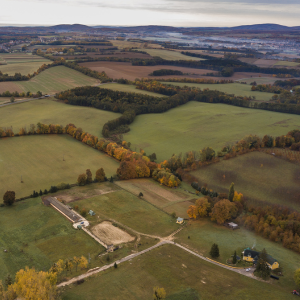
While selling non-buildable real estate lots is generally perceived as a near-impossible task, reviewing survey examples documents strategies used to take advantage of every chance to sell. One case study, for example, describes how a landowner and the local community collaborated to build the first public park, even though the area was perceived as unviable for development.
This approach increased the land’s appeal and attracted interest from local businesses seeking advertising opportunities. Another case involved leveraging the unique environmental features of a wetland property by selling it to conservation groups interested in preserving natural habitats.
Capitalizing on the ecological worth and prospective tax advantages, the seller created a market segment that purchased land that could not be developed and would be preserved. Likewise, the owner of land that frequently floods was able to negotiate with town officials to sell the property for use as needed flood-control infrastructure and to secure a very good sale while providing a benefit to the town’s flood-control efforts.
These examples underscore how creativity and strategic partnerships can turn non-buildable plots into valuable assets through innovative uses and targeted marketing.
How to Sell Unbuildable Land?
Selling unbuildable land in real estate can be difficult. However, you can maximize the land’s value and attract buyers with the right strategies. The unique features of the land have to be highlighted. Examples include potential views or benefits that the land may offer, such as proximity to places, conservation potential, etc.
Research concerning the local zoning laws, as well as the regulations concerning land-use, has to be done so that the possible exceptions or changes that could enhance the land’s appeal are known. Property marketing is important. Land can be sold as real estate, as potential for a recreational area, such as a camping site, or as agricultural land for hunting. Use social media and other online platforms to market the land.
Working with an experienced real estate agent who knows atypical properties can help you understand pricing and which types of buyers to target. You can also provide buyers with special financing offers to generate interest from buyers who otherwise might not be interested because of financing offers they feel are undesirable.
By implementing these tactics, you can increase interest and sell your unbuildable land competitively.
Why Do People Buy Non-buildable Land?
People often purchase non-buildable land for several strategic reasons, despite its limitations in development potential. One primary motivation is recreational use; individuals seek unbuildable land for hiking, camping, or hunting, taking advantage of the natural beauty and tranquility these parcels often offer.
Additionally, non-buildable land can be a long-term investment opportunity given its lower initial cost compared to buildable lots. Investors speculate on future zoning changes or infrastructure developments that could increase the land’s value over time.
Another reason is conservation efforts; buyers interested in preserving natural habitats or protecting the environment may acquire non-buildable land to maintain its ecological integrity. Furthermore, adjacent property owners might purchase such parcels to expand their privacy buffer or to prevent unwanted development nearby.
These diverse motivations underscore why non-buildable land, including opportunities to sell hunting land, remains an attractive asset in the real estate market. It offers unique benefits beyond traditional construction opportunities.
Can You Buy Land and Not Build on It Right Away?
When considering the purchase of real estate, particularly unbuildable land, potential buyers often question whether they can buy land and not build on it immediately. This strategy can be advantageous for investors looking to maximize value over time.
Due to zoning restrictions or environmental factors, unbuildable land might not support immediate development. However, purchasing such land can still offer significant future benefits.
Investors might hold onto the property as a long-term asset, waiting for zoning laws to change or infrastructure improvements that could enhance its buildability. Additionally, unbuildable land can be utilized for alternative purposes such as recreational use, conservation efforts, or leasing for agricultural activities, thereby generating interim revenue streams while awaiting future opportunities.
By understanding local regulations and market trends, investors can employ strategic patience to maximize the potential value of unbuildable land in their real estate portfolio without needing to construct immediately.
Do you need to sell your land? Sell quickly and prefer a hassle-free sale. We Buy Land Quick is here to help. We offer fair cash offers, handle all the details, and make the process seamless. Ready to sell or have questions? Call us at (469) 529-7977 for a no-obligation offer. Get started today!
| REAL ESTATE LAW | ZONING LAWS | REZONING | ZONED | MARKET PRICE | MORTGAGE AGREEMENTS |
| MORTGAGE | HOME LOANS | VACANT LOT | CASH | INFORMATION | LENDER |
| CONTRACT | ACRES | SOIL | LAND VALUATION | LAND VALUES | PROPERTY OWNERSHIP |
| LAWYER | CHARITIES | CHARITY | HOMEBUYERS | MLS | INCOME |
| FORECLOSE | FORECLOSURE | DATA | COSTS | BANK | BANKING |
| APPRAISER | U.S. | AMERICA | TAX DEDUCTION | UTILITIES | NEWS |
| MONEY | PRICING TRENDS | TIMBERLAND | TIMBER | LOAN | FISHING |
| DEED | AUCTIONS | ADVERTISING |
Helpful Texas Blog Articles
- How to Market Land for Sale: Top Tips
- A No-Lawyer Guide to Selling Land
- Guide To Selling A Part Of Your Land in Texas
- Selling Land To Developers In Texas
- Understanding The Vastness Of 100 Acres
- Selling Non-buildable Land In The Real Estate Market
- Can You Build on Your Land? Zoning Rules Explained
- Can You Rent Out Land Instead of Selling It?
- Comprehensive Guide To Evaluating Your Land’s Worth In Texas
- Understanding Closing Costs For Land Purchases In Texas
- How to Find Out the Zoning of My Land in Texas
- How to Sell Hunting Land in Texas
- Real Estate Commissions and Commissions on Land Sales in Texas
- Do You Need a Realtor to Sell Land in Texas
- Capital Gains Tax on Selling Land in Texas