
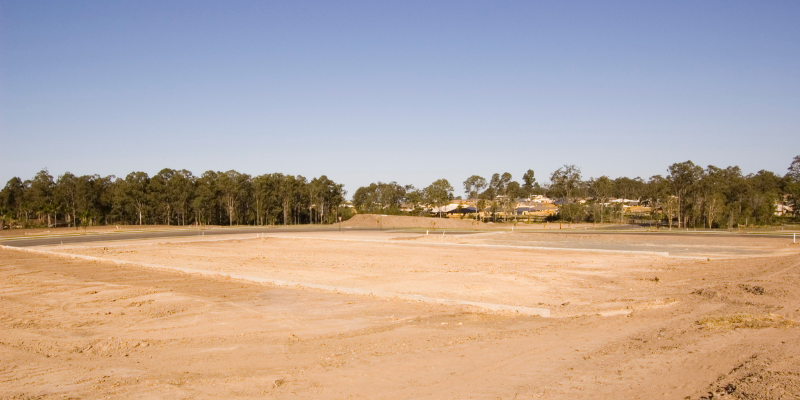
How to Sell Commercial Land in Texas: A Complete Guide for Property Owners
Selling commercial land is not like selling a house. No kitchen to stage, no curb appeal to worry about. But that doesn’t make things easier. In fact, it can be more complex as buyers are looking at prospective revenue, development costs, and long-term investment returns.
First, you need to determine the highest and best use of your land. That vacant lot in Plano might appear to be a bunch of dirt to you, but to the right buyer, it’s a future retail center bringing in millions in sales. Your role is to tie the threads for possible buyers.
Texas Commercial Real Estate Market Conditions and Trends
The Texas commercial real estate story in 2026 is no ordinary post-pandemic tale. Some really cool dynamics are at play here that astute sellers can capitalize on.
Total deliveries were down 47 percent in DFW and Houston, 30 percent in San Antonio, and 3 percent in Austin in the last five years compared to the prior five years. Unfortunately, net absorption declined even more sharply: 80 percent in Houston, 76 percent in DFW, 69 percent in San Antonio, and 62 percent in Austin.
What does this mean for land vendors? Less competition from new construction, but also more choosy buyers. They are not racing to do transactions as they were a couple of years ago.
Unsurprisingly, the Dallas-Fort Worth metroplex continues to lead the pack as the top real estate market to watch in Texas for 2026. This is no fluke. It’s the second consecutive year DFW has received the top prize from a recognized report by PwC and the Urban Land Institute.
If you own property anywhere in the DFW corridor, you’re in a prime position. The region continues to attract buyers, investors, and steady demand, making it an ideal time to sell your land fast in Arlington or surrounding cities. But DFW isn’t the only market worth watching—Houston remains resilient, and several smaller Texas markets are outperforming expectations.
How to Determine the Fair Market Value of Your Texas Commercial Property

This is where most sellers go wrong. The price depends on what they paid years ago (useless) or what they need to get out of it (also irrelevant). The market is not concerned with your personal condition.
The average price of an acre in Texas is presently as high as $5,158. But that’s statewide and includes ag land. Commercial properties are priced differently depending on location and development possibilities.
Build-ready and retail parcels average $38,000 per acre in established markets. That $33,150 disparity between the bottom and top tiers is fundamental, not cyclical.
Get a proper appraisal by someone who knows commercial land. Not your house flipping friend. We’re talking about an MAI-designated appraiser who understands the difference between a strip mall location and industrial acreage.
Location is the single most important factor. For instance, an acre in downtown Austin might be worth over $1 million, whereas an acre in rural West Texas could sell for just a few thousand dollars.
What are the legal requirements for selling commercial land in Texas?
Texas is quite easy compared to certain states, but there are still hoops to jump through. You’ll need a clean title – which sounds basic, but you’d be astonished at how many houses have cloudy ownership difficulties.
Order your title commitment early in the process. Don’t wait until you have a buyer.” Problems can take weeks for title companies to sort out, and each day your home is on the market is costing you money.
Texas requires less property disclosure for unoccupied land than renovated properties, but you still have to identify known problems. Disclosures must list environmental problems, easements, deed limitations, and any pending legal challenges.
If your property has been used for something other than agricultural or vacant land, environmental studies may be required. Gas outlets, dry cleaners, manufacturing plants, and even historic farmland with high pesticide use can generate environmental liability issues.
Effect commercial sales zoning laws and land use regulations
In commercial real estate, zoning is everything. Your property may be zoned agricultural, but it can be rezoned to commercial. That’s where the serious money is.
Each city and county in Texas has various zoning regulations. What works in unincorporated Harris County does not work in downtown Dallas. Do some research on the zoning process, timing, and expenses before you list. They want to know exactly what they can build and how long to get permits.”
Some properties have deed restrictions that prohibit use regardless of zoning. These can be deal-killers if buyers can’t use the land for what they want to do. Be sure to read your deed carefully and understand any restrictions by a homeowners’ association or municipal utility authority.
Commercial Property Documentation & Title Records Preparation
The organization disposes of property. Buyers want to see it all up front: surveys, title policies, tax records, zoning letters, environmental reports, utility availability letters.
Before you start marketing, assemble a complete information package. Include a recent survey (last 5 years), current tax certificate, title commitment, and any engineering or environmental reports. If you don’t have them, go get them. The cost is minimal compared to losing a buyer because you can’t provide basic information.
Most sellers wing this portion, and it shows, honestly. Professional buyers have an innate nose for disorderly sellers, and they will use this to get a better price.

Soil Testing Requirements and Environmental Impact Studies
“Environmental issues can kill deals faster than anything.” If there is any potential that your property has pollution issues, get them sorted out sooner rather than later, and hope purchasers don’t discover them.
Phase I Environmental Site Assessments are a common component of most commercial transactions. They are $2,000-$5,000, but they could save you from losing a $500,000 transaction later on. If Phase I reveals possible problems, then you may need to do a Phase II evaluation, which includes testing soil and groundwater.
Then there are the wet areas. If your property contains streams, ponds, or low regions that remain wet, you may have wetland jurisdiction difficulties. Wetlands are regulated by the Army Corps of Engineers and might have significant development restrictions that affect value.
Texas Commercial Land Sales and Their Tax Consequences
Texas has no state income tax, which is wonderful news for sellers. But you will still pay any federal capital gains taxes if you do not structure the sale appropriately.
If you’ve owned the property for more than a year, you’ll pay long-term capital gains rates, not regular income rates. That makes a huge difference in big transactions.
If you wish to invest in other real estate, you can consider a 1031 exchange. You can avoid capital gains taxes by buying like-kind property within certain dates. Partner with an experienced middleman who understands the rules.
Property taxes in Texas can be relatively high, so it’s important to review how taxes will be prorated at closing and whether the buyer will be responsible for any outstanding or pending tax obligations. We buy land in Texas and encourage sellers to understand these details before finalizing a transaction.
Marketing Strategies for Commercial Real Estate Property
Marketing commercial land is not the same as marketing residential property. You are not selling a lifestyle, you are selling an investment opportunity.
Professional photography counts, but no glamour pictures! Buyers want to observe borders, access points, topography, and local infrastructure. Aerial photographs and drone video work well for larger properties.
Create complete property information sheets with everything buyers need to know – acreage, zoning, utilities, traffic counts, demographics, and development potential. Maps showing proximity to important highways, airports, and population areas.
The Multiple Listing Service (MLS) is geared towards retail purchasers, although commercial properties are also sold through other avenues. LoopNet, Crexi, and specialty commercial brokers have institutional buyers and developers.
If you have unique features or a large development potential, you may want to contact the developers and investors in your market region directly. Sometimes your best buyer never even sees your public listing.
Working with commercial real estate agents & brokers
Not all realtors know commercial land. Find someone who specializes in commercial properties and has recent sales in your neighborhood. Check their history and ask for references.
Commission structures are more variable in commercial real estate than in residential real estate. Some brokers charge flat fees, and some charge sliding scales dependent on the sale price. Know what services you are getting and negotiate the commission up front.
A smart business broker does more than just marketing. They know purchasers, they know financing alternatives, they can help you find your way through tough negotiations.” If they can sell your property faster and for more money, they are worth the commission.
Identify Qualified Buyers & Investors in Commercial Real Estate
Buyers of commercial land can be split into a number of categories: developers, investors, owner-users, and land speculators. The groups have various motives and timetables.
Developers desire homes they can develop today. They have finance and can move rapidly, but they are also the most demanding on due diligence and will haggle hard on pricing.
Investors may keep properties to develop in the future or to rent. They usually have greater flexibility in scheduling, but they want to see definite income potential or appreciation chances.
Owner-users expect to build for their own use. They’ll pay top dollar for the perfect spot, but often take longer to get finance and prepare.
Companies like We Buy Land Quick purchase properties for cash. This can be tempting if you need to close quickly or want to avoid the guesswork of traditional financing. They might not get the best price, but quickness and assurance can be worth the trade-off, particularly under unpredictable market conditions.
The Due Diligence Process in Commercial Real Estate Transactions
Commercial buyers do a lot of due diligence before closing. They will do their homework. Surveys, zoning, environmental conditions, utilities, and market conditions.
The due diligence period typically lasts 30 to 60 days for commercial land transactions. In that period, buyers verify if the property is suitable for them and obtain financing. Be prepared to supply further details and allow property inspections.
Some purchasers may seek to renegotiate pricing based on due diligence findings. This is normal, but don’t feel you have to say yes to every request. Consider whether their concerns are valid and how they affect the value of the property.
Financing Options for Commercial Property Buyers
Understanding buyer finance helps evaluate offers and plan acquisitions. Most commercial land purchases require a mix of cash, bank financing, and seller financing.
Financing raw land through a bank might be difficult. Lenders usually request down payments of 25% to 50% and charge higher interest rates than loans on rehabilitated property. Good-credit buyers with lots of cash generally have more wiggle room to negotiate.
Seller financing can widen your possible buyer base, and may even improve your price on the sale. You become the bank, collecting regular payments instead of a flat sum at closing. If you don’t need all of the cash at once and want to spread out tax liability, this is a good choice.
Cash buyers do the fastest and most certain deals. They do not require loan approval and can close in as little as 2 weeks. Companies like We Buy Land Quick work on cash deals and don’t have financing contingencies that can impede negotiations.
Negotiating Purchase Agreements and Terms of Contract
Commercial real estate contracts are more complicated than the average residential deal. Price is only part of the story. Terms, contingencies, and timing frequently matter as much as dollar amount.
Important negotiation items are earnest money amount, length of due diligence period, financing contingencies, and closing timeline. Each has an impact on your risk and return.
Earnest money should be enough to indicate you mean business, but not so much that you scare away legitimate customers. Commercial land deals are usually 1% to 3% of the acquisition price.
Watch out for contingencies. All else equal, each possibility is another escape hatch for purchasers. Some are reasonable (finance, environmental assessments), but too many contingencies create uncertainty and delay.
Closing Process for Commercial Real Estate Deals
Commercial closings have more paperwork and verification than residential transactions. Title firms or attorneys will take care of most of the paperwork, but you should know what is happening.
Commercial properties have more stringent survey requirements. Buyers generally want ALTA surveys that are current and show all improvements, easements, and encroachments. If your survey is old or incomplete, budget for an updated survey.
Environmental liability does not end upon closure. Even after you sell, you may have to pay for the cleanup of contamination that occurred during your ownership. If you have a property that has any chance of pollution, consider environmental liability insurance.
Common Problems in Selling Commercial Land and How to Overcome Them
Any commercial land deal always has possible problems. The objective is to anticipate difficulties and handle them preemptively.
Most typical deal killer: title difficulties. Unclear ownership, absent heirs, tax liens, and easement conflicts might take months to sort out. Start the title process early and clear up any problems before you put the property on the market.
Zoning issues occur during due diligence. Buyers find that the property cannot be used for its original purpose or that rezoning will take longer and cost more than anticipated. Research zoning carefully and consider obtaining preliminary approval for probable uses.
The environment matters to purchasers and lenders. Even properties with no known contamination may have costly cleanup obligations if problems are uncovered later. Consider environmental insurance or contract provisions to minimize your liability.
Many commercial deals are tripped up by financing. Buyers can’t receive financing. Or loan terms alter between contract and closing. Take backup offers and consider seller finance to keep deals moving.
When to Sell Your Commercial Property for the Biggest Profit
Market timing is not everything, but it counts. Despite a slowdown in transaction volume, the statewide price is still high compared to pre-2020 levels. The Texas Real Estate Research Center (TRERC) reports that the Texas statewide rural land price per acre was $4,827 in Q1 2025, up 2.68% year-over-year.
Selling to numerous potential purchasers is the greatest time to sell. That generates competition and drives up prices. But you can’t always control the time, especially if you have to sell for personal or business reasons.
Patterns exist by season but vary by property type and region. Development land frequently trades better in the spring and fall when developers are planning new projects. Farm land sales jump in the fall following harvest.
Interest rate movements have a bigger impact on commercial real estate than residential. Buyers will see demand cut and financing become more costly with higher rates. Mortgage rates recently hit their 2025 low, but inflation pressures and increasing federal borrowing might keep them above 6% until 2026.
Other Exit Strategies: Lease vs. Sale Considerations
You are not required to sell. Ground leases let you keep your ownership and make a stable income. This works particularly well for property in prime locations where you may expect land values to continue to appreciate.
Build-to-suit leases let you work with individual consumers who need specialized amenities. You own the land, they build the improvements, and sign the long-term leases. This makes more profit than a straight sale but is more involved and riskier.
Joint partnerships with developers can maximize revenues on assets with high development potential. You put up the land, they develop and finance it, and you share in the profits. This works if you believe in the property but don’t have the knowledge or capital to develop it.
Things to Consider After the Sale & 1031 Exchange Options
Buying real estate? 1031 exchanges allow you to delay capital gains taxes through a like-kind property purchase. You must locate substitute property within 45 days and close within 180 days.
Work with skilled middlemen who get the rules. If you make an error, the exchange can be disqualified, and you will owe taxes on your earnings immediately.
After the transaction, consider your overall investing plan. Are you going into various property kinds, markets, or investing approaches? The selling may be part of a broader portfolio rebalance.
Estate planning for high-value properties requires careful tax and legacy considerations. Consult qualified tax professionals to understand how property decisions may affect your overall tax position and long-term estate strategy. We Buy Land Quick buys land cash — contact us today.
Questions & Answers
How to Figure Out the Value of a Commercial Property
Commercial property valuations are based on income possibilities, similar sales, and replacement costs. Look at previous sales of similar properties in your area, then make adjustments for differences in size, location, zoning, and development potential. You may choose to hire an MAI appraiser for houses exceeding $500,000.
How Much is an Acre of Land for Sale in Texas?
The average price per acre in Texas today is $5,158. Commercial land varies greatly by location and purpose, however. Retail and build-ready lots in mature markets average $38,000/acre. In cities such as Austin and Dallas, costs are often higher than in more rural settings.
What is the Value of my Commercial Property?
The value of your land varies upon location, zoning, utilities, access, and development potential. Locations close to expanding cities or major highways are usually valued more than isolated locations. Employ a commercial real estate broker familiar with your area and obtain a professional appraisal or comparative market research.
What Is the Price of Commercial Land Per Acre?
Commercial land prices in Texas vary greatly. Dallas-Fort Worth: In DFW, land normally costs between $100,000 and $500,000 an acre, especially in places where there is a lot of construction happening. Houston: An acre of land varies greatly in price, but usually ranges from $100,000 to $400,000. Commercial land in rural areas is far less expensive than in urban areas.
Selling commercial land in Texas doesn’t have to be complicated, but you do need to understand the market and position your property properly. The basics are still the same: price it appropriately, sell it professionally, and be ready for serious customers who know what they want.
If you want to sell fast and avoid the trouble of traditional marketing, organizations like We Buy Land Quick can present you with cash bids and close on your timeline. But they are not going to pay retail pricing, and speed and assurance are sometimes worth more than wringing out every last dollar.
Whatever method you take, traditional or direct, the important thing is to know your options and make informed selections. For sellers of commercial real estate holdings in Texas, there are lots of options for those who do their study and position their properties effectively.
If you want to talk through your specific circumstance, I am available to help. No pressure, no strings attached. Honest advice from someone who has been assisting Texas property owners in making these decisions for years.
Helpful Texas Blog Articles
- Selling A Part Of Your Land in Texas
- Can You Subdivide Land in Texas?
- Understanding Taxes on Selling Land in Texas
- Can I Sell Land to the City or County in Texas?
- Best Sites to List Land for Sale in Texas
- How to Sell Land with a Lien in Texas
- Do You Need Title Insurance When Selling Land in Texas?
- How to Negotiate Land Prices with Buyers
- Environmental Restrictions to Know Before Selling Land
- How To Sell Mineral Rights in Texas
- Sell Commercial Land in Texas
- How Much is Land Worth Per Acre in Texas
- How to Get a Land Appraisal in Texas?
- Land Clearing Costs in Texas
- Quitclaim Deed for Land in Texas