
Texas land pricing operates on a scale that surprises most first-time buyers. The USDA puts Texas farm real estate at $3,100 per acre statewide for 2026, but individual properties trade anywhere from about $1,139 per acre in remote Far West Texas to more than $11,000 along the Gulf Coast. In the second quarter of 2026, the statewide median reached $5,218 per acre, up 3.27% year-over-year, but that single number obscures dramatic regional variation.
This guide breaks down what’s actually driving land values across Texas in 2026: by region, land type, and the specific factors that move prices up or down within any given market. If you’re already thinking about a sale, we buy land in Texas and can provide a fast cash offer with no listing process required.
What Factors Determine Texas Land Value Per Acre
Before diving into regional numbers, it helps to understand the factors that consistently shift pricing, regardless of location.
Water access is the single biggest variable. Properties with reliable wells, spring-fed creeks, or established surface water rights routinely command double the per-acre price of comparable dry tracts. In drought-prone regions, water availability doesn’t just add value; it often determines whether a property is viable at all.
Road frontage and access rank second. Direct highway or county road access commands meaningful premiums over landlocked parcels requiring easements. For smaller tracts, especially, convenience significantly influences buyer demand.
Topography and usability affect value in ways that vary by buyer type. Flat, cultivable land brings higher prices for agricultural buyers, while steep terrain or heavily wooded acreage can actually command premiums when the buyer pool is recreational, since hunters and weekend landowners often pay specifically for that terrain.
Mineral rights add complexity. In Texas, the mineral estate is legally dominant: mineral owners hold rights that surface owners must accommodate. Producing oil or gas rights on a property can substantially increase value, but active drilling operations can just as easily reduce surface-use appeal. When evaluating any Texas property, clarifying whether mineral rights convey with the sale is essential.
Proximity to urban centers creates a ripple effect that extends far beyond city limits. Counties within commuting distance of Dallas, Houston, Austin, and San Antonio see sustained upward pressure on land values as buyers seek acreage while remaining connected to employment centers. The direction of urban growth, including planned infrastructure improvements, matters as much as the current distance from a city.
Agricultural exemptions affect carrying costs significantly. Properties qualifying for agricultural or wildlife management exemptions can see property tax assessments reduced by 50–90% compared to market value. This makes otherwise expensive land more economically viable to hold.
Texas Land Prices Per Acre by Region
| Region | Typical Price Per Acre | Primary Market Driver |
|---|---|---|
| Far West Texas | ~$1,139 | Hunting, energy leases |
| Panhandle and South Plains | ~$1,719 | Dryland and irrigated farming |
| West Texas | ~$3,008 | Cattle, Permian Basin minerals |
| East Texas (Piney Woods) | $1,500–$5,000 | Timber, recreation, lakefront |
| South Texas | ~$6,225 | Agriculture, Eagle Ford Shale |
| North Texas | $3,500–$12,000 | Cropland, DFW proximity |
| Central Texas and Hill Country | ~$8,040 | Lifestyle, recreational ranches |
| Gulf Coast and Brazos Bottom | ~$11,369 | Fertile soils, development, and demand |
Panhandle and South Plains
The most affordable region in the state for agricultural land. The median price per acre ran $1,719 in the second quarter of 2026, down 7.53% year-over-year, according to Texas A&M data. These prices reflect distance from major population centers, not a lack of productivity. The region supports some of the most efficient dryland and irrigated farming operations in the country. Buyers here are primarily agricultural investors focused on soil quality, irrigation infrastructure, and proximity to grain elevators and processing facilities.
Far West Texas
Prices climbed 73.89% year-over-year to about $1,139 per acre in the second quarter of 2026, still the lowest in the state. Limited water resources, sparse infrastructure, and declining energy activity in some subregions have weighed on demand. Large acreage at low cost makes this attractive for specific buyers (hunting operations, solar, and wind energy leases), but it’s a thin market.
West Texas
Beyond the Panhandle, West Texas posted a median of $3,008 per acre in the second quarter of 2026, up 14.29% year-over-year, with ranch tracts generally trading between $2,000 and $5,000 per acre. The Permian Basin drives a separate dynamic: properties with unleased mineral rights in proven production areas command significant premiums as energy companies compete for drilling locations. Cattle operations and hunting leases form the base of the non-energy market.
South Texas
South of San Antonio, the median edged up 0.99% to $6,225 per acre in the second quarter of 2026, on $175.4 million in total dollar volume. Drought conditions and intensifying competition for water resources have made buyers more cautious. The Eagle Ford Shale transformed land values across multiple South Texas counties, though production has pulled back from peak levels, reducing new lease activity. Owners looking to exit the market now can sell their land in San Antonio, TX, for a straightforward cash offer.
Gulf Coast and Brazos Bottom
The highest-priced rural land region in Texas. Prices reached $11,369 per acre in the second quarter of 2026, up 3.05% year-over-year, the highest of any Texas region. Rich soils, reliable rainfall, port access for commodity exports, and strong development demand from Houston-area buyers all support premium pricing. Coastal properties in Galveston County can exceed $20,000 per acre for developable parcels near the water.
East Texas (Piney Woods)
Timber and recreational land in the Piney Woods trades for roughly $2,500–$5,000 per acre for improved pasture, with bottomland hardwood timber in the $1,500–$2,100 range. Year-over-year appreciation has been modest but consistent (+1.8%), supported by steady timber demand and strong interest in lakefront and hunting properties. Lake Sam Rayburn and Toledo Bend attract buyers from Houston looking for recreational properties within a few hours’ drive. Pine plantations managed for pulpwood and sawtimber command higher prices than natural hardwood stands due to shorter, more predictable harvest cycles. Owners of those tracts often want out faster than a listing allows. You can sell your land fast in Tyler, TX, without waiting on a survey or a lender.
North Texas
Cropland near major population centers runs $6,000–$12,000 per acre; timberland falls between $3,500 and $5,500. This reflects both agricultural productivity and the premium buyers place on land within reach of the Dallas-Fort Worth metro. Owners inside the metro can sell land fast in Dallas, TX, without putting it on the market.
Central Texas and Hill Country
The Hill Country is the premium end of the Texas recreational land market. In the Austin-Waco-Hill Country region, the median reached $8,040 per acre in the second quarter of 2026, up 8.63% year-over-year, on the largest dollar volume of any Texas region. Prime counties (Blanco, Gillespie, and Kendall) see properties with spring-fed creeks, hilltop views, or Guadalupe River frontage trading well above regional averages, often in the $7,000–$10,000 range and higher. White-tailed deer and turkey hunting, exotic game operations, and proximity to Fredericksburg and Dripping Springs all support demand from Austin, San Antonio, and Houston buyers seeking weekend ranches.
Texas Agricultural Land Prices and Market Trends
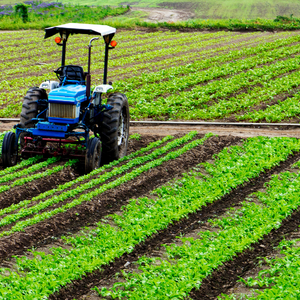
The USDA puts Texas cropland at $2,790 per acre for 2026, up 3.0%, while pastureland rose 5.2% to $2,420. Cropland commands roughly $370 more per acre than pastureland, reflecting the income-generating premium of cultivated ground over grazing land.
Total dollar volume fell 9.72% in the second quarter of 2026, and acres sold fell 12.57%, even as prices edged higher. Fewer tracts are changing hands, and the ones that do are still clearing at firm prices.
Texas A&M’s Texas Real Estate Research Center reads this as a market standoff rather than a downturn, with some sellers still anchored to 2022 and 2023 pricing and some buyers holding out for better terms.
Texas Ranch Land Values and Investment Returns
Ranch properties statewide saw a 4% price increase in 2025. On that ranch-only basis for 2025, rather than the all-land medians for the second quarter of 2026 above, the Gulf Coast-Brazos Bottom region leads at $9,436 per acre and the Panhandle and South Plains sit at $1,710. Central Texas ranch land typically runs $7,000–$10,000 per acre, driven by lifestyle and recreational demand rather than pure agricultural economics.
Ranch valuations increasingly reflect non-agricultural factors: water features, hunting habitat, scenic topography, and proximity to urban buyers. Cattle-carrying capacity still matters to working ranchers, but it’s often secondary for the large pool of buyers seeking recreational or retirement properties.
Hunting leases generate $5–$15 per acre annually on many properties, with exceptional hunting grounds commanding more. Combined with modest cattle income and long-term appreciation, ranch land continues to attract investors looking for diversified returns. Sellers ready to move quickly can work with We Buy Land Quick for cash purchases that close in weeks rather than months.
Commercial and Suburban Development Land Costs in Texas
Texas claimed the top national ranking in 2025 for direct commercial real estate expenditures, totaling $59.3 billion. Population growth is concentrated in the “demographic triangle” of Dallas-Fort Worth, Houston, and the Austin-San Antonio corridor, the same areas seeing the fastest suburban land appreciation.
Dallas-Fort Worth was named the top CRE investment market to watch for 2026 by PwC and the Urban Land Institute, driven by corporate relocations, population growth, and infrastructure investment. Austin’s commercial market is recovering: Q4 2025 data shows 214,383 square feet of positive office absorption, supporting land values for mixed-use and commercial development sites. Industrial land near major highways, rail lines, and the Port of Houston continues commanding premiums as Texas logistics demand grows.
In suburban residential development, Williamson and Hays Counties near Austin and Montgomery County outside Houston reflect the strongest per-acre appreciation. Senate Bill 840 overrides municipal zoning restrictions in cities with populations over 150,000 in qualifying counties, allowing mixed-use and multifamily development on previously commercial or office-zoned land, expanding development potential for some suburban parcels. If your parcel sits in one of those paths, you are selling to a different kind of buyer entirely. Here is what selling land to developers in Texas usually looks like from the seller side.
Texas Land Tax Assessment and Agricultural Exemptions Explained
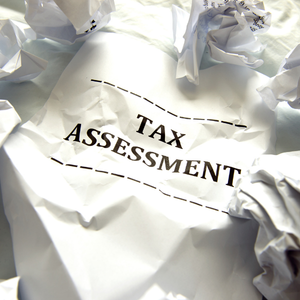
Agricultural land in Texas is valued on productivity rather than market value. The assessed value reflects capitalized net income per acre for each land class, not what a buyer would pay. If you are planning to buy, sell, or challenge a valuation, it is important to get a land appraisal to understand the property’s true market position alongside its agricultural tax value. Qualification requires agricultural use for five of the previous seven years at regionally typical levels. Buildings are excluded from agricultural valuation and assessed at market value.
Wildlife management exemptions provide similar tax treatment for qualifying conservation activities. Timber properties qualify for forestry productivity valuation in most East Texas counties.
When purchasing property with existing agricultural exemption status, reapply by April 30 following the purchase. Missing this deadline can trigger rollback taxes covering several prior years.
How to Finance a Texas Land Purchase: Loan Options and Requirements
Raw land financing differs materially from residential mortgages. The main options available to Texas land buyers include:
- Traditional bank loans: Require 25–50% down payments, higher interest rates, and shorter terms (10–15 years). Banks view undeveloped land as higher risk due to limited income generation.
- Farm Credit associations: Better terms for qualifying agricultural operations, including longer amortization and lower down payments for productive ground.
- Owner financing: Common in rural transactions. Sellers carry the note, often at negotiated rates, giving buyers access without conventional bank qualification requirements.
- 1031 exchanges: Allow investors to defer capital gains taxes when rolling proceeds from one investment property into a replacement property, applicable to agricultural land, rental property, and some recreational holdings.
- Hard money and SBA loans: Short-term hard money financing suits buyers planning immediate development; SBA loans can fund qualifying agricultural or recreational business purchases at better rates than conventional land loans.
Legal Considerations When Buying or Selling Land in Texas
Several Texas-specific legal factors affect land value and use:
Mineral rights severance is the most consequential. Many Texas properties have complex mineral ownership histories, including severed rights, existing leases, and royalty arrangements, that require careful legal review before purchase.
Water rights follow two different legal frameworks in Texas. Groundwater follows the rule of capture (landowners may pump from beneath their property, though groundwater conservation districts regulate well spacing and production across much of the state), while surface water is governed by permits and prior appropriation. Verify water rights status and any existing permits early in due diligence.
Easements and deed restrictions placed by previous owners can survive ownership changes, limiting development potential or imposing building requirements. Title searches and surveys are essential for large rural purchases.
Environmental constraints such as wetlands, endangered species habitat, and coastal setback requirements can significantly limit what’s developable, particularly along the Gulf Coast and in river corridors.
Texas Land Market Outlook: Price Forecasts

TRERC’s current outlook calls for small increases in the statewide price alongside a slight decrease in the volume of acres sold. Water access, energy and transmission infrastructure, and local economic drivers are the factors it expects to keep supporting demand, while the steep gains of the past five years and today’s interest rates keep creating friction between buyers and sellers. Financing is where most of that friction shows up. Whether buyers can get a loan for vacant land in Texas decides how deep your buyer pool really is.
Interest rate stabilization should improve buyer affordability and support volume. Texas added more than 562,000 residents in the year to July 2025, with projections of 46.2 million by 2060, providing long-term structural demand for both residential development land and recreational properties. Regional forecasters expect modest appreciation of 2–4% annually in the strongest markets, with water access, wildlife habitat, and location continuing to define where premium pricing holds. If you want an honest assessment of where your property sits in this market, contact us for a no-obligation evaluation.
Frequently Asked Questions
What is the average price per acre in Texas?
The statewide median reached $5,218 per acre in the second quarter of 2026, up 3.27% year-over-year. This blends a wide range, from about $1,139 per acre in Far West Texas to $11,369 along the Gulf Coast, so the statewide figure is most useful as a baseline for comparison rather than a pricing guide for any specific property.
What is a section of land?
A section is 640 acres (one square mile) in the U.S. Public Land Survey System. It was the standard unit for dividing western territories and remains a common measurement reference for large Texas ranch properties. Texas’s own land survey system predates the federal system, which is why the state has some unusual survey patterns compared to other western states.
How much is an acre of land worth near Austin?
The Austin-Waco-Hill Country region posted a median of $8,040 per acre in the second quarter of 2026, but this varies sharply by county and tract characteristics. Williamson and Hays County parcels with road frontage and utilities often exceed this average, while remote Hill Country land without water access may trade below it. Small tracts near the city (two to ten acres) regularly command per-acre prices well above regional averages because they attract a larger buyer pool.
Does owning mineral rights significantly increase land value?
It depends on location and production status. In the Permian Basin, Eagle Ford Shale, or Haynesville Shale, unleased mineral rights in areas with proven production can substantially increase value. Outside active production areas, mineral rights add speculative value but may not meaningfully change the sale price. Active surface operations (roads, pads, equipment) can reduce the appeal of the surface itself even when mineral income is positive.
What is an agricultural exemption, and how does it affect land value?
An agricultural exemption changes how land is assessed for property taxes, shifting from market value to productivity value, which can reduce the tax bill by 50–90%. This makes land more economical to hold long-term. For buyers, an existing agricultural exemption is a significant financial benefit; for sellers, it’s often a selling point. The exemption requires reapplication by April 30 after a sale to avoid rollback taxes.
Helpful Texas Blog Articles
- Selling A Part Of Your Land in Texas
- Can You Subdivide Land in Texas?
- Understanding Taxes on Selling Land in Texas
- Can I Sell Land to the City or County in Texas?
- Best Sites to List Land for Sale in Texas
- How to Sell Land with a Lien in Texas
- Do You Need Title Insurance When Selling Land in Texas?
- How to Negotiate Land Prices with Buyers
- Environmental Restrictions to Know Before Selling Land
- How To Sell Mineral Rights in Texas
- Sell Commercial Land in Texas
- How Much is Land Worth Per Acre in Texas
- How to Get a Land Appraisal in Texas?
- Land Clearing Costs in Texas
- Quitclaim Deed for Land in Texas